AI-Powered Resume Screening & Parsing
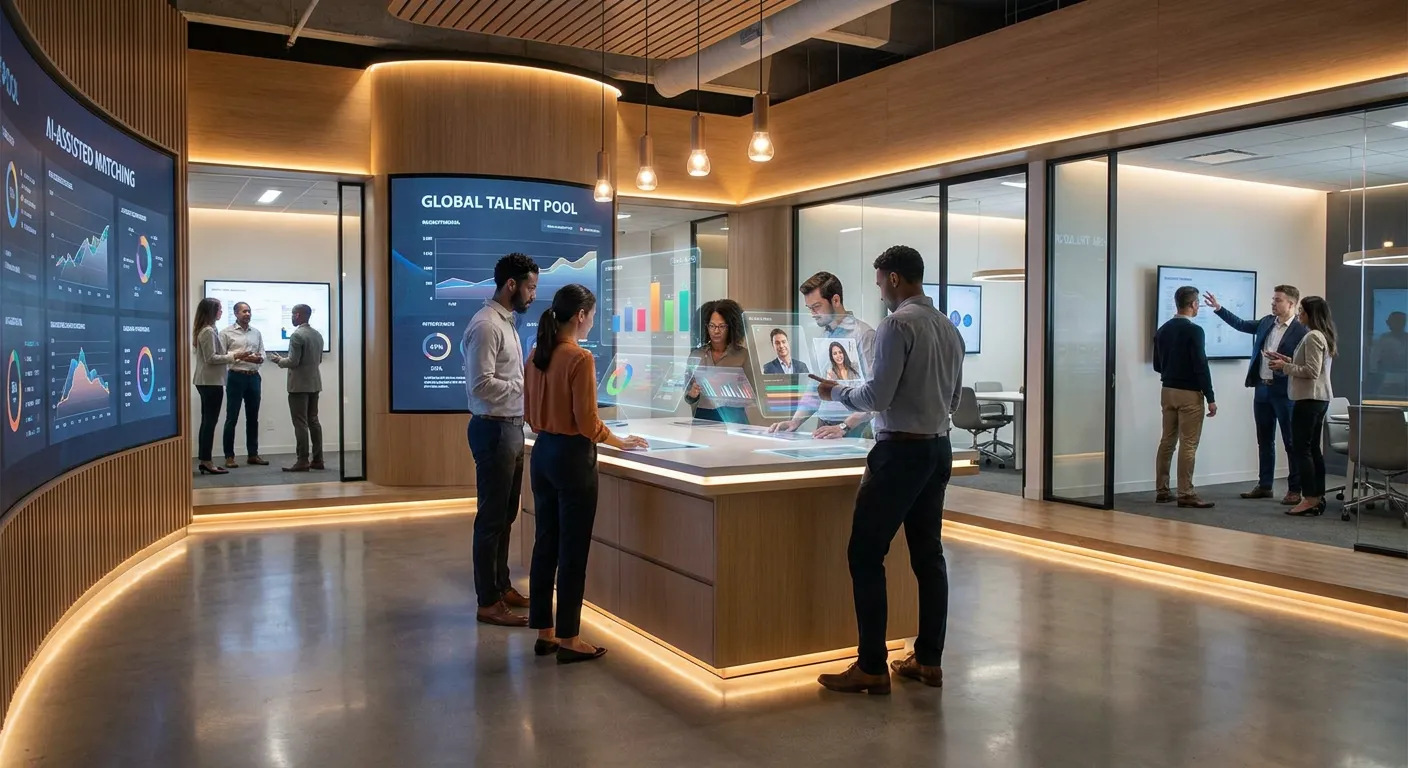
Artificial intelligence has evolved from a buzzword into an indispensable component of talent sourcing. In 2026, AI-powered screening tools can parse thousands of CVs in minutes, identifying not just keyword matches but contextual relevance, career trajectory patterns, and even soft skill indicators through natural language processing. These systems learn from your historical hiring data—understanding which candidate profiles have succeeded in specific roles—and continuously refine their matching algorithms.
However, AI is not a replacement for human recruiters; it's an amplifier. The future of hire employees lies in hybrid models where AI handles the initial high-volume filtering, freeing up your HR team to focus on relationship-building, cultural assessment, and strategic decision-making. For businesses exploring candidate screening automation, the key is selecting platforms that offer transparent, explainable AI rather than black-box algorithms that could inadvertently introduce bias.
💡 Pro Tip: When evaluating AI screening tools, always request a bias audit report. The best platforms in 2026 are built with fairness constraints that actively reduce demographic bias in candidate shortlisting.
Skills-Based & Competency Assessments
The shift toward skills-first hiring is one of the defining candidate screening strategies for 2026. Rather than relying solely on CVs and interviews, leading employers now deploy structured skills assessments—coding challenges for developers, situational judgment tests for managers, and realistic job simulations for operational roles. This approach dramatically reduces the risk of mis-hires and ensures candidates can actually perform the tasks the role demands.
For companies using staff augmentation models, skills-based screening is particularly crucial. When you're bringing in temporary or contract workers through a staffing partner, verifying competencies upfront ensures seamless integration with your existing teams. As highlighted in our guide on mastering the best hire employees strategies, organisations that adopt validated skills assessments see a 37% reduction in early-stage turnover.
Video Screening & Asynchronous Interviews
One-way video interviews and asynchronous screening have become mainstream by 2026, offering unparalleled flexibility for both candidates and hiring teams. Candidates record responses to predefined questions at their convenience, and recruiters review submissions when it fits their schedule—eliminating the logistical nightmare of coordinating live interviews for high-volume roles. This method is especially effective for talent sourcing across different time zones and for roles in retail, hospitality, and logistics where shift patterns make traditional interviewing challenging.
Modern video screening platforms now incorporate AI-driven sentiment analysis and communication skill scoring, providing recruiters with additional data points. However, the human touch remains essential—these tools should inform decisions, not make them. Pairing asynchronous video with live interviews creates a comprehensive view of each candidate's capabilities and personality.
Automated Background Verification & Compliance
Background checks in 2026 are faster, more thorough, and fully digitised. Automated verification systems can now cross-reference employment history, educational credentials, professional certifications, and even right-to-work documentation in near real-time. For regulated industries—healthcare, finance, construction—this capability is transformative, slashing time-to-hire while maintaining rigorous compliance standards.
When combined with recruitment outsourcing partners who specialise in compliant hiring, automated background screening becomes a powerful risk mitigation tool. It's one of the top hire employees practices that separates industry leaders from laggards. Just as importantly, transparent background check processes enhance candidate trust—applicants appreciate knowing exactly what's being verified and why.