
Staffing Service – Demolition Labourer Jobs in Eastbourne: Heavy Labour Demolition Roles With Fast Start Opportunities
Introduction
Finding the right job in the construction and demolition industry can feel like navigating a maze, especially when you’re looking for immediate start positions that pay well and offer genuine career progression. If you’re based in or around Eastbourne and you’ve got a strong work ethic, physical stamina, and a willingness to get your hands dirty, demolition labourer roles might be exactly what you’re searching for. These aren’t your typical desk jobs – they’re physically demanding, fast-paced positions that require dedication and grit, but they also come with competitive wages, quick start dates, and plenty of opportunities to build real skills in the construction sector.
Staffing services specialising in demolition work have transformed how workers connect with employers in Eastbourne. Rather than spending weeks sending out CVs and waiting for callbacks, you can register with a reputable staffing agency and potentially start working within days. This guide breaks down everything you need to know about demolition labourer jobs in Eastbourne, from what the role actually involves to how you can land one of these fast-start positions through staffing services.
What Does a Demolition Labourer Actually Do?
Let’s get straight to it – demolition work isn’t glamorous, but it’s absolutely essential to the construction industry. Demolition labourers are the backbone of any site clearance or building removal project. Your day-to-day tasks would typically include:
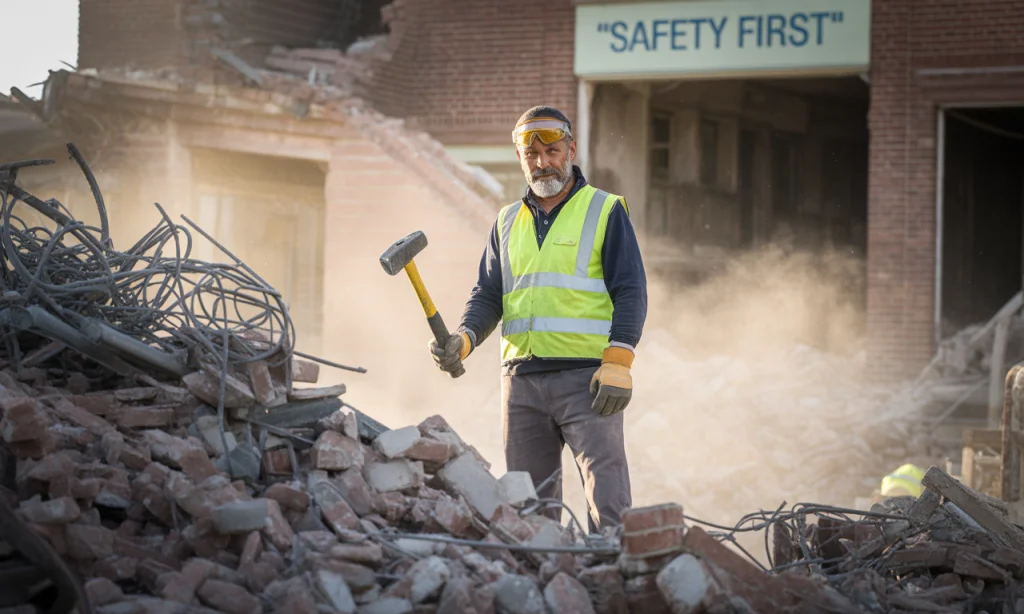
Physical Demolition Work: You’ll be breaking down structures using hand tools, sledgehammers, jackhammers, and sometimes more specialised equipment. This means swinging heavy tools, lifting materials, and working in all weather conditions.
Site Clearance: After the main demolition work is complete, labourers spend considerable time clearing debris, sorting materials for recycling or disposal, and ensuring the site is safe and clean for the next phase of work.
Material Handling: You’ll be loading skips, moving rubble, carrying heavy materials, and generally doing whatever’s needed to keep the site running smoothly. Expect to lift, carry, push, and pull throughout your shift.
Equipment Operation: While the heavy machinery operation is typically handled by certified operators, demolition labourers often assist with smaller equipment and learn to use various power tools safely.
Safety Compliance: Following health and safety regulations isn’t optional – it’s critical. You’ll need to wear proper PPE (personal protective equipment), understand hazard identification, and work according to strict safety protocols.
The work is undeniably tough. You’ll finish most days physically exhausted, probably covered in dust, and you’ll definitely earn your pay. But there’s something satisfying about seeing a derelict building come down and knowing you played a key role in making space for something new.
Why Eastbourne Has Growing Demand for Demolition Workers
Eastbourne isn’t just a seaside retirement town anymore. The area has seen significant development and regeneration projects over recent years, creating steady demand for construction and demolition services. Several factors contribute to the growing need for demolition labourers in the region:
Urban Regeneration Projects: Eastbourne has been actively redeveloping various areas, particularly around the town centre and seafront. Old buildings need to come down before new developments can go up, creating continuous work for demolition crews.
Residential Development: With housing demand across the South East remaining strong, developers are acquiring older properties for redevelopment. This creates regular demolition work as outdated structures make way for modern housing.
Commercial Redevelopment: Retail spaces, office buildings, and commercial properties periodically need to be demolished and rebuilt to meet modern standards and changing business needs.
Infrastructure Improvements: Road widening, utility upgrades, and other infrastructure projects often require partial or complete demolition of existing structures.
The combination of these factors means that staffing agencies serving Eastbourne consistently have openings for demolition labourers, particularly those willing to start quickly and work reliably.
The Benefits of Fast Start Opportunities Through Staffing Services
Traditional job hunting can be frustratingly slow. You submit applications, wait for responses, attend interviews, and then wait again for start dates. Staffing services specialising in demolition work operate differently, offering several distinct advantages:
Quick Registration Process: Most staffing agencies can register you within a day or two. You’ll need to provide identification, proof of right to work, and possibly some basic certifications, but the process is streamlined compared to traditional hiring.
Immediate Placement Potential: Once registered, you could be working within days rather than weeks. Agencies maintain relationships with multiple demolition contractors and construction companies, allowing them to match workers with available positions quickly.
Flexibility: Staffing services often offer both short-term and long-term placements. If you’re between jobs or looking to build experience across different sites, this flexibility can be valuable.
Trial Periods: Both workers and employers benefit from trial periods. You get to experience different work environments and find companies you genuinely want to work for, while employers can assess your performance before making permanent offers.
Less Commitment Pressure: Starting through a staffing agency takes some pressure off. You’re not committing to a permanent position from day one, which can feel less risky if you’re new to demolition work or testing whether it’s the right career path.
Ongoing Support: Reputable staffing services provide support throughout your placement. If issues arise on site or you have questions about pay, hours, or working conditions, you’ve got someone to turn to.
What Qualifications and Skills Do You Need?
Here’s some good news – you don’t need a university degree or extensive prior experience to start as a demolition labourer. However, certain qualifications, skills, and attributes will significantly improve your chances:
Essential Requirements:
- CSCS Card (Construction Skills Certification Scheme): This is typically mandatory for working on construction and demolition sites. The basic labourer card requires passing the Health, Safety and Environment test, which tests your understanding of site safety.
- Right to Work: You must have legal permission to work in the UK.
- Physical Fitness: You need to be honestly capable of sustained heavy physical labour. This isn’t office work with occasional lifting – it’s constant physical activity.
- Reliable Transport: Many demolition sites aren’t well-served by public transport. Having your own reliable transport can be crucial, especially for early starts.
Highly Beneficial Qualifications:
- First Aid Certification: Always valued on construction sites.
- Asbestos Awareness: Many older buildings contain asbestos, so awareness training is increasingly important.
- Manual Handling Training: Demonstrates you understand safe lifting techniques.
- Previous Construction Experience: Any background in construction, landscaping, or similar physical work helps demonstrate your suitability.
Personal Qualities:
- Strong Work Ethic: Showing up on time, working hard, and maintaining effort throughout the day.
- Ability to Follow Instructions: Supervisors need to know you’ll follow directions precisely, especially regarding safety.
- Team Player Mentality: Demolition is collaborative work; lone wolves don’t last long.
- Problem-Solving Skills: Being able to think on your feet when unexpected challenges arise.
- Positive Attitude: The work is tough, and maintaining good morale matters.
Pay Rates and What You Can Expect to Earn
Let’s talk money, because that’s probably one of your main questions. Demolition labourer wages in Eastbourne vary depending on experience, specific duties, and whether you’re working through an agency or directly employed, but here’s a realistic breakdown:
Entry-Level Demolition Labourers: Expect somewhere between £10.50 and £12.50 per hour when starting out. This is for basic labouring work with no specialist skills or extensive experience.
Experienced Demolition Labourers: Once you’ve proven yourself and gained experience with different tools and techniques, rates typically rise to £12.50-£15.00 per hour.
Specialist Roles: If you gain certifications for operating specific equipment or develop particular skills (like asbestos removal awareness or working at height), you can push towards £15.00-£18.00 per hour or more.
Overtime Opportunities: Demolition projects often run on tight deadlines, meaning overtime is frequently available. Weekend work and overtime hours typically pay enhanced rates (time-and-a-half or double-time).
Based on a standard 40-hour week at £11.50 per hour, you’d earn around £460 per week or roughly £23,920 annually before tax. Add regular overtime, and it’s realistic to push annual earnings towards £28,000-£32,000 or higher.
Additionally, many positions offer:
- Holiday pay (if you’re on certain contract types)
- Pension contributions
- Potential for permanent contracts after successful trial periods
- Career progression opportunities
How to Find and Apply for Demolition Jobs Through Staffing Services
Ready to get started? Here’s your practical step-by-step guide to landing a demolition labourer position in Eastbourne:
Step 1: Research Reputable Staffing Agencies
Not all agencies are created equal. Look for staffing services with:
- Solid online reviews from previous workers
- Specific experience in construction and demolition placement
- Clear, transparent information about pay rates and conditions
- Proper employment credentials and registrations
Step 2: Get Your Documentation in Order
Before approaching agencies, gather:
- Valid photo ID (passport or driving licence)
- Proof of address
- National Insurance number
- Right to work documentation
- CSCS card (or be prepared to get one quickly)
- Any relevant certificates or qualifications
- References from previous employers (if available)
Step 3: Register with Multiple Agencies
Don’t put all your eggs in one basket. Registering with 2-3 reputable agencies increases your chances of finding work quickly and gives you options to compare opportunities.
Step 4: Be Honest About Your Experience
Exaggerating your experience or capabilities helps nobody. Be upfront about what you can and can’t do. Agencies appreciate honesty and can better match you with appropriate roles.
Step 5: Show Enthusiasm and Reliability
During registration and initial contact, demonstrate that you’re serious, reliable, and genuinely interested in the work. Turn up on time for meetings, respond promptly to communications, and present yourself professionally.
Step 6: Be Flexible Initially
When you’re starting out, being flexible about working hours, locations (within reason), and job types significantly increases your placement chances. Once you’ve proven yourself, you’ll have more negotiating power.
Step 7: Perform Well on Every Placement
Every assignment is an audition for future work. Arrive early, work hard, follow all safety procedures, get along with colleagues, and make yourself valuable. Good workers get called back repeatedly and receive first consideration for the best positions.
Safety Considerations in Demolition Work
We’d be doing you a disservice if we didn’t address safety seriously. Demolition is one of the more hazardous areas of construction work, and understanding the risks isn’t about scaremongering – it’s about keeping you safe and ensuring you have a long, healthy career.
Common Hazards Include:
- Structural collapse: Buildings being demolished can be unstable and unpredictable
- Falling objects: Materials, debris, and tools falling from height
- Dust and airborne particles: Including potentially hazardous materials like asbestos
- Noise exposure: Heavy machinery and demolition work generate significant noise
- Manual handling injuries: Back injuries, strains, and sprains from lifting heavy materials
- Vibration injuries: From prolonged use of power tools like jackhammers
- Slips, trips, and falls: Construction sites have uneven surfaces, obstacles, and hazards
How to Protect Yourself:
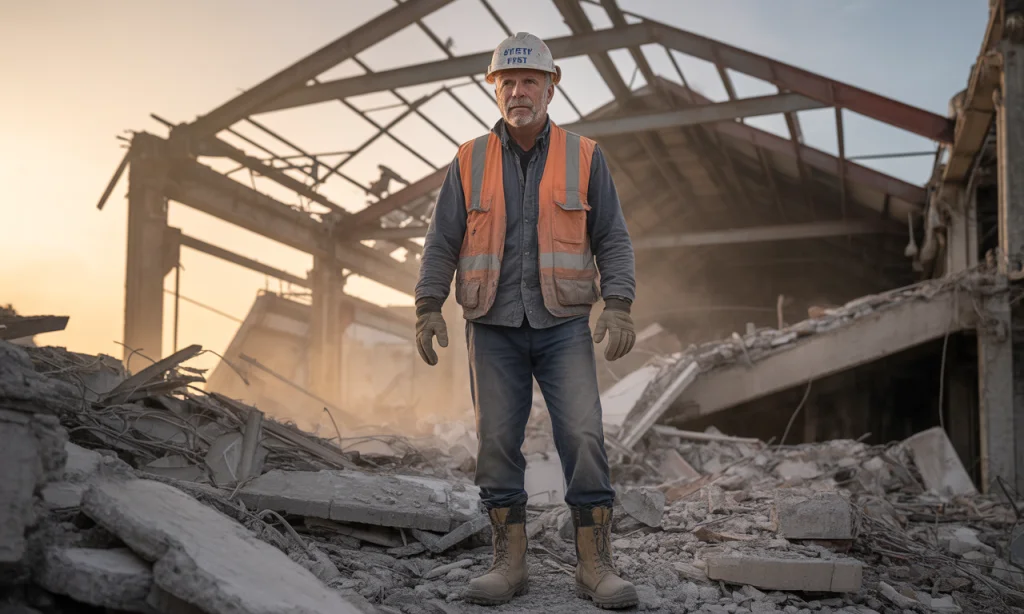
- Always wear required PPE: Hard hat, steel-toe boots, high-visibility clothing, gloves, eye protection, ear protection, and respiratory protection when needed
- Never take shortcuts: Safety procedures exist for a reason; follow them without exception
- Speak up about hazards: If you notice something unsafe, report it immediately
- Understand emergency procedures: Know where first aid stations are and what to do if accidents occur
- Stay alert: Fatigue leads to accidents; if you’re exhausted, communicate with supervisors
- Get proper training: Don’t use equipment or work in areas you haven’t been trained for
Reputable employers and staffing agencies take safety seriously. If you encounter an employer who doesn’t prioritize safety, that’s a major red flag, and you should look elsewhere.
Career Progression Opportunities
Starting as a demolition labourer doesn’t mean you’ll be doing the same job for your entire career. There’s genuine progression potential if you’re willing to learn and develop:
Short-Term Progression (6 months – 2 years):
- Skilled Demolition Operative: Take on more complex tasks requiring specialised knowledge
- Equipment Operator: Train to operate excavators, bulldozers, or other demolition machinery
- Banksman/Signaller: Guide machinery operators and manage site logistics
Medium-Term Progression (2-5 years):
- Demolition Supervisor: Oversee teams of labourers and ensure work quality and safety
- Specialist Roles: Asbestos removal, high-reach demolition, or explosive demolition (with proper training)
- Site Manager: Take overall responsibility for demolition projects
Long-Term Possibilities:
- Project Manager: Manage entire demolition contracts from planning through completion
- Health and Safety Officer: Specialise in ensuring regulatory compliance
- Starting Your Own Business: Experienced demolition workers sometimes establish their own contracting businesses
The construction industry rewards skills, certifications, and experience. Investing in your professional development through training courses, additional certifications, and learning from experienced colleagues can significantly accelerate your career trajectory.
What Makes a Good Demolition Labourer?
Beyond the basic qualifications, what separates workers who thrive in demolition from those who struggle? Here are the characteristics that employers and staffing agencies actively look for:
Physical Resilience: This goes beyond being fit. It’s about sustaining physical effort day after day, recovering well, and managing the wear and tear on your body through proper technique and self-care.
Mental Toughness: Some days will be cold, wet, exhausting, and frustrating. The ability to push through difficult conditions and maintain productivity matters enormously.
Conscientiousness: Paying attention to details, especially regarding safety procedures and quality of work, even when supervisors aren’t watching.
Adaptability: Every site is different. Being able to adjust to new teams, different supervisors, varying site conditions, and unexpected challenges is crucial.
Communication Skills: You need to understand instructions clearly, ask questions when uncertain, and communicate effectively with team members about hazards, progress, and problems.
Initiative: Once you understand the work, being able to identify what needs doing next without constant direction makes you invaluable.
Reliability: Simply showing up on time, every time, ready to work, puts you ahead of a surprising number of workers. Consistency is gold in this industry.
The Reality of Working Through Staffing Agencies
Let’s be balanced here – working through staffing services has both advantages and some potential downsides you should understand:
Advantages:
- Quick access to multiple opportunities
- Variety of work experiences
- Flexibility in choosing assignments
- Lower commitment if a particular role isn’t right
- Potential pathway to permanent positions
- Someone advocating for you if disputes arise
Potential Drawbacks:
- May earn slightly less than directly employed workers (though not always)
- Less job security than permanent positions
- Potentially fewer benefits like sick pay or enhanced holiday entitlements
- You might feel less connected to a company culture or team
- Income can fluctuate if work isn’t consistent
Understanding these factors helps set realistic expectations. Many workers use staffing agencies strategically – as a way to enter the industry, gain experience, and network until they secure a preferred permanent position.
Eastbourne’s Demolition Industry Outlook
Looking ahead, what’s the future for demolition work in Eastbourne and the surrounding areas? Several trends suggest continued demand:
Ongoing Regeneration: Eastbourne’s town planning continues to prioritise modernisation and development, ensuring sustained need for demolition services.
Infrastructure Investment: Government infrastructure spending across the UK creates ripple effects, including demolition work associated with upgrades and new construction.
Sustainability Focus: Increasing emphasis on recycling construction materials and controlled demolition rather than wasteful practices means more skilled labour is needed, not less.
Housing Targets: Regional housing targets ensure continued development activity, which invariably requires demolition of older structures.
Climate Adaptation: Coastal areas like Eastbourne face long-term climate adaptation needs, potentially including demolition and rebuilding of vulnerable structures.
While no industry is recession-proof, the construction sector’s fundamental importance to economic activity provides relative stability. People will always need buildings demolished and new structures built.
Conclusion: Your Future in Eastbourne’s Demolition Sector Awaits
Demolition labourer jobs in Eastbourne offer a compelling path for individuals seeking challenging, hands-on, and impactful work. These heavy labour roles are not just about physical strength; they demand dedication, a keen eye for safety, and a willingness to contribute to a vital industry. With the ongoing growth in construction and demolition across the UK, Eastbourne continues to offer promising opportunities.
Crucially, staffing services act as a powerful catalyst, bridging the gap between your readiness to work and the immediate needs of contractors. By ensuring you have the essential CCDO certification, cultivating a strong work ethic, and leveraging these professional agencies, you can unlock fast start opportunities and embark on a rewarding career that literally helps shape the future of Eastbourne. If you’re ready to get stuck in, the demolition sites of Eastbourne are waiting for you.
Frequently Asked Questions (FAQs) About Demolition Labourer Jobs in Eastbourne
1. What qualifications do I need to become a Demolition Labourer in Eastbourne?
The most critical qualification is the CCDO Card (Certificate of Competence of Demolition Operatives). This is essential for working on professional demolition sites and demonstrates your understanding of specific demolition safety, waste management, and emergency procedures. Many sites will also require a basic CSCS (Construction Skills Certification Scheme) Green Labourer Card. While not always mandatory, having a good level of physical fitness, strong communication skills, and a commitment to safety are equally important.
2. How quickly can I start a Demolition Labourer job through a staffing agency?
Often, very quickly! Staffing services specialize in “fast start†opportunities. If you have the necessary certifications (like the CCDO Card) and are ready to work, some agencies can place you in a role within a few days, or even on the same day, especially for urgent project requirements in Eastbourne. Their efficiency in matching candidates to immediate needs is a major advantage.
3. What kind of work can I expect as a heavy labour demolition operative?
You can expect a physically demanding and varied role. Your tasks will typically include manual deconstruction using hand tools (sledgehammers, crowbars), efficient clearing and sorting of demolished debris, loading materials onto skips, assisting heavy machinery operators, and ensuring the work site is safe and tidy. Strict adherence to all health and safety protocols is a constant and crucial part of the job.
4. Are there opportunities for career progression in demolition?
Absolutely! Starting as a demolition labourer is often the first step. With experience, additional training, and further certifications (like NVQs), you can advance to roles such as a Demolition Operative, a specialized Machine Operator, a Demolition Supervisor or Foreman, or even move into specialist areas like asbestos removal. The industry highly values practical experience and continuous learning.
5. What are the main benefits of using a staffing service to find a demolition job?
Using a staffing service offers several key benefits: rapid placement into roles (often leading to “fast start†opportunities), access to a wider variety of projects and contractors in Eastbourne, potential for temp-to-perm pathways leading to long-term employment, expert guidance from recruiters who understand the industry, and simplified application processes. They act as an efficient bridge between skilled workers and employers with immediate needs.