
The Complete Guide to the Restaurant Sous Chef: Hire Your Culinary Second-in-Command
Discover the pivotal role of a Sous Chef, learn how to hire the best talent for your kitchen, and find expert staffing solutions for chef cook jobs near me.
Mastering Sous Chef Recruitment: A Multi-Category Overview
The Critical Role & Business Impact
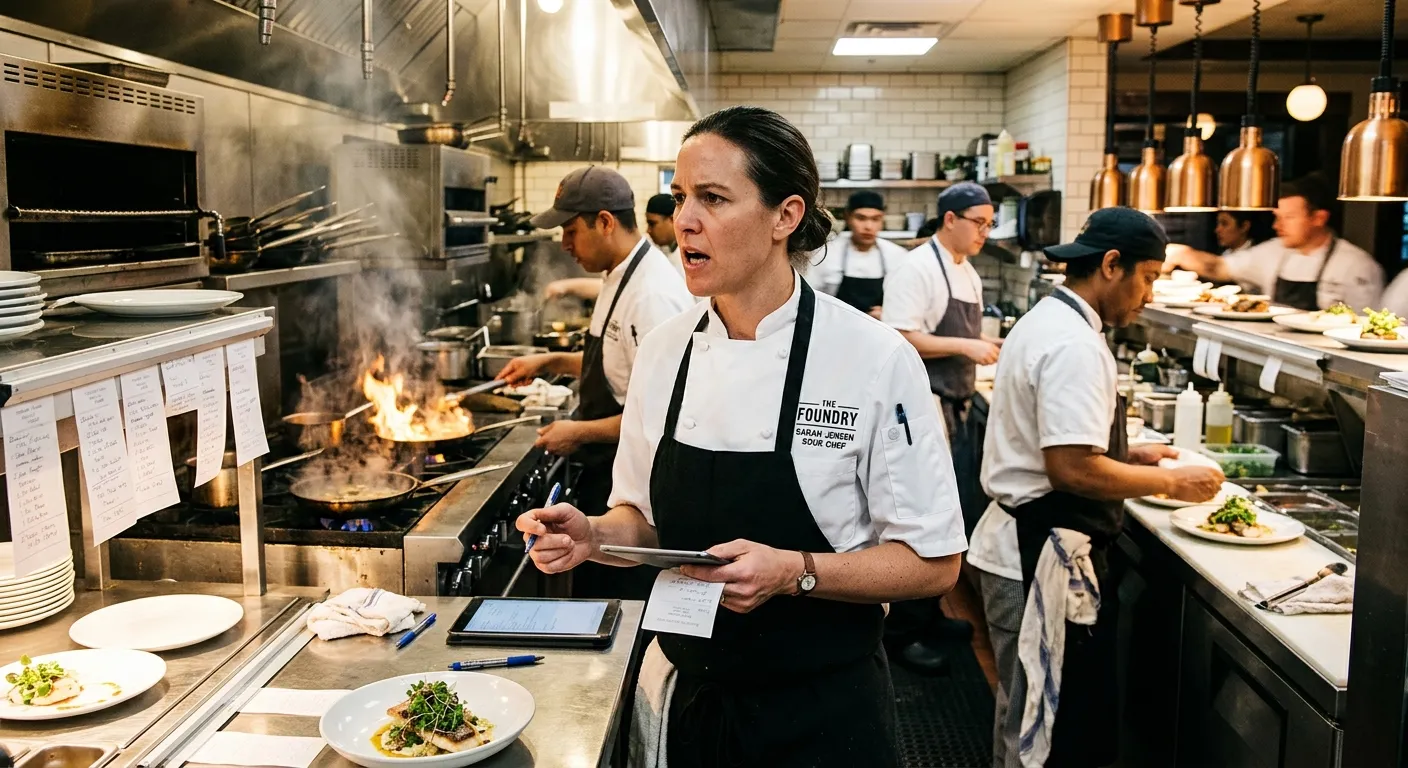
A Restaurant Sous Chef is far more than just a deputy. They are the operational backbone of the kitchen, the translator of the Head Chef's vision into daily execution, and a crucial leader who directly impacts food cost, staff morale, and service consistency. Their absence creates a critical leadership gap that can destabilize an entire brigade.
For businesses looking to master the best hire employees process, understanding this role's depth is the first step. A great Sous Chef doesn't just follow orders; they anticipate needs, solve problems proactively, and mentor junior cooks, effectively acting as a force multiplier for the entire culinary team.
Strategic Hiring & Sourcing Tactics
Finding a top-tier Sous Chef requires moving beyond generic job boards. Effective sourcing blends traditional methods with modern strategies. Utilize specialized hospitality recruitment platforms, leverage culinary school networks, and consider the immense value a specialist staffing agency can bring in accessing passive, high-calibre candidates.
Implementing robust candidate screening strategies is non-negotiable. This goes beyond verifying CVs to include practical stage (working interview) assessments, detailed reference checks focusing on leadership under pressure, and behavioural interviews to gauge conflict resolution and team management skills.
Non-Negotiable Skills & Competencies
Technical prowess is a given, but the modern Restaurant Sous Chef must possess a hybrid skill set. Beyond knife skills and sauce consistency, look for:
- Leadership & Communication: The ability to direct, teach, and motivate a diverse team during the rush.
- Financial Acumen: Understanding food cost percentages, waste tracking, and inventory management.
- Organizational Mastery: Creating efficient prep lists, managing pars, and ensuring flawless mise en place.
- Adaptability & Crisis Management: Calmly handling supplier failures, equipment breakdowns, or last-minute VIP bookings.
These competencies ensure the Sous Chef is not just a cook, but a true kitchen manager.
Why a Premier Restaurant Sous Chef is Your Best Investment
Operational Excellence & Consistency
A skilled Sous Chef enforces standards, ensuring every plate leaving the kitchen meets the Head Chef's exact specifications, day after day. This consistency builds customer trust and protects your brand's reputation, directly impacting repeat business and online reviews.
Cost Control & Profit Protection
They are the frontline defense against food waste and inefficiency. By managing inventory, optimizing prep yields, and monitoring portion control, a proactive Sous Chef directly safeguards your gross profit margins, often paying for their salary through waste reduction alone.
Team Leadership & Morale Booster
They bridge the gap between management and line staff. A good Sous Chef trains, mentors, and motivates the brigade, reducing turnover and fostering a positive, productive kitchen culture. This is similar to the leadership needed in other dynamic sectors like event staff hire, where on-the-fly leadership is crucial.
Compliance & Safety Champion
They ensure strict adherence to HACCP plans, allergen protocols, and health & safety regulations. This mitigates legal risks and protects customers, a responsibility as critical as compliance in construction staffing service roles where site safety is paramount.
Succession Planning & Business Continuity
A well-groomed Sous Chef is your natural successor, providing stability if the Head Chef leaves. This internal pipeline is a key part of comprehensive HR solutions that future-proof your business against leadership gaps.
Flexibility & Crisis Management
They are the ultimate problem-solvers, capable of covering any station, calming service during a rush, and adapting menus based on supplier issues. This operational agility is as valuable as the flexibility provided by top staff augmentation solutions in other industries.
The Hiring Process: From Job Description to Offer
Crafting the Perfect Job Description
Your job description is your first point of contact with potential candidates. It must be compelling, accurate, and SEO-optimized to attract the right talent searching for chef cook jobs near me. Avoid generic lists; instead, paint a picture of the role's impact.
Pro-Tip:
Go beyond"must have 3 years experience." Describe the kitchen culture, the type of cuisine, growth opportunities (e.g.,"pathway to Head Chef within 18 months"), and unique perks. This attracts candidates aligned with your vision, not just those looking for any job.
Incorporate keywords like"Restaurant Sous Chef,""fine dining,""team leadership," and"menu development" naturally. This mirrors the strategic keyword use seen in effective listings for roles from hospitality staff recruitment in London to warehouse operatives.
The Interview & Practical Assessment
The interview process for a Sous Chef must be multi-stage. A phone screen filters for basic alignment and salary expectations. The first in-person interview should focus on behavioural questions ("Tell me about a time you had to discipline a cook,""How do you handle a conflict with FOH?").
The non-negotiable second stage is a practical"stage" or working interview. This is not free labour but a controlled assessment. Have them work a service, perhaps expediting or working a key station. Observe their technical skills, communication under pressure, cleanliness, and interaction with the team.
This hands-on approach is as critical as verifying certifications in technical fields, much like the checks necessary for construction staffing to ensure CSCS compliance and practical skill.
Onboarding & Integration: Setting Them Up for Success
A successful hire doesn't end with the signed contract. A structured onboarding plan is vital. This should include a detailed introduction to all suppliers, a review of the recipe bible and costings, meetings with the General Manager and Head Chef to align on expectations, and a gradual introduction to managerial duties like scheduling and ordering.
Investing in proper onboarding reduces the time-to-productivity and increases retention. This principle is universal, whether integrating a new Restaurant Sous Chef or onboarding temporary staff from a warehouse staffing agency for a peak season project.
Frequently Asked Questions: Restaurant Sous Chef
Salaries vary widely based on location, restaurant type (casual vs. fine dining), and experience. In major UK cities, a Sous Chef can expect £28,000 - £45,000 annually. High-end establishments or those with significant responsibilities may offer more. Always research local market rates, similar to assessing pay for jobs in Meadowhall or other specific regions.
Beyond scrolling generic job boards, register with specialized hospitality recruitment agencies (like ours), network on LinkedIn with local chefs and restaurateurs, and check the websites of restaurants you admire. A strategic staffing partner can match you with opportunities that aren't publicly advertised, providing access to the hidden job market, much like they do for roles in logistics recruitment.
Key red flags include: inability to explain basic food cost calculations, blaming past teams/employers consistently, lack of specific examples when discussing leadership, poor hygiene during a practical stage, and vagueness about their long-term career goals. Thorough reference checks focusing on these areas are crucial, aligning with advanced candidate screening strategies.
Absolutely. A specialist agency acts as a filter and a scout. They pre-vet candidates, check references, and often have a network of passive talent not actively job-seeking. They understand the nuanced skills required and can save you countless hours of sifting through unqualified applicants. This is the core value of your partner for UK staffing solutions, applying deep industry knowledge to find the perfect fit for your kitchen's unique culture and needs.
Ready to Transform Your Kitchen Leadership?
Stop leaving the success of your service to chance. Partner with experts who understand the critical role of a Restaurant Sous Chef and have the network and processes to find your ideal candidate swiftly and effectively.
Whether you're searching for chef cook jobs near me or need to hire a full brigade, our strategic approach ensures quality and fit. Explore our full range of staffing services today.
A Week in the Life: The Sous Chef's Multifaceted Schedule
To truly appreciate the value of a Restaurant Sous Chef, one must understand the sheer variety and depth of their weekly responsibilities. This isn't a 9-to-5 role; it's a dynamic cycle of planning, execution, and review that keeps the kitchen engine running.
The Operational Rhythm
A typical week is a masterclass in time management and priority shifting. Mondays often involve post-weekend inventory, placing large supplier orders for the week, and deep-cleaning projects. It's a day of reset and strategic planning.
Mid-week (Tuesday-Wednesday) shifts focus to menu development trials, staff training sessions on new dishes or techniques, and refining prep lists based on forecasted covers. This is when a Sous Chef's creative and pedagogical skills shine.
Thursday through Saturday are the high-octane execution days. The Sous Chef transforms from planner to field commander, managing the relentless pace of service, quality-checking every dish, and making real-time decisions to handle rushes or unexpected issues.
This cyclical demand for different skill sets—from analytical to creative to sheer leadership under fire—is what makes the role so unique and challenging to fill. It requires a professional who is as comfortable with a spreadsheet as they are with a sauté pan.
Case Study: Implementing a Cost-Saving Initiative
A Sous Chef at a Bristol-based gastropub identified a 15% waste in protein usage through meticulous tracking. Instead of just reporting it, they:
- Redesigned Prep: Butchered whole fish and primals in-house, creating new"chef's special" offerings from trim.
- Retrained Staff: Held focused sessions on portion control and knife skills for junior cooks.
- Adjusted Supplier Orders: Switched to a different cut for a popular steak dish that had less trim waste.
Result: Food cost on proteins dropped by 8% within six weeks, saving over £6,000 annually. This proactive, bottom-line impact is the hallmark of a strategic Sous Chef, demonstrating a return on investment that goes far beyond their salary.
Beyond the Food: The Sous Chef as Culture Architect
The most successful kitchens are built on more than recipes; they're built on culture. The Sous Chef is often the primary architect and daily enforcer of this culture, shaping the environment that determines staff retention, creativity, and ultimately, guest experience.
Fostering Psychological Safety & Continuous Learning
A modern Sous Chef moves away from the outdated"screaming chef" model. They cultivate an environment of psychological safety, where junior cooks feel comfortable asking questions, admitting mistakes, and suggesting improvements. This might involve holding weekly 10-minute"huddles" to discuss what went well and what could be better, or creating a"mistake of the week" board (anonymously) used as a teaching tool, not for shaming.
This approach directly reduces costly errors and turnover. A cook who isn't afraid of a berating for breaking a sauce is more likely to report it immediately, allowing for a quick fix rather than serving a subpar dish. This cultural leadership is as vital as the safety culture managed by supervisors in construction staffing roles, where open communication prevents accidents.
Mentorship & Career Pathing
A strategic Sous Chef doesn't just manage their team; they develop it. They identify potential in a commis chef and give them increasing responsibility on the grill. They create clear, attainable career paths—from Prep Cook to Line Cook to Junior Sous—with defined skill milestones. This transforms the kitchen from a transient workplace into a career destination.
For example, implementing a"skill of the month" program, where the entire brigade focuses on mastering a technique like proper knife sharpening or emulsions, not only uplifts overall quality but also boosts engagement and professional pride. This internal development strategy is a cornerstone of comprehensive HR solutions that build loyalty from within.
Leveraging Technology: The Digitally-Savvy Sous Chef
Today's top culinary talent is expected to be proficient with more than just kitchen equipment. Mastery of specific digital tools is now a key differentiator, streamlining operations and providing data-driven insights.
1. Inventory & Ordering Platforms
Tools like MarketMan or Cheftools automate inventory tracking, generate precise order lists based on par levels and forecasts, and integrate directly with suppliers. A Sous Chef using these can cut ordering time by 50% and drastically reduce human error and over-ordering.
2. Recipe & Costing Software
Applications such as ChefTec or Nutritics allow Sous Chefs to build a digital recipe bible with exact costs, nutritional information, and allergen data. Updating a menu item's cost due to a supplier price hike becomes instantaneous, ensuring menu profitability is always accurate.
3. Communication & Scheduling Apps
Platforms like 7shifts or When I Work simplify creating fair, efficient rotas, managing shift swaps, and communicating with the team. This reduces administrative burden and eliminates the"paper schedule on the wall" chaos, fostering better work-life balance for staff.
A candidate who can discuss their experience with these platforms demonstrates a forward-thinking, efficiency-minded approach. This technological aptitude is increasingly sought after, mirroring the digital tool proficiency required in roles sourced through logistics recruitment for warehouse management systems (WMS).
Advanced Hiring Insights & Nuances
Both paths have merits and risks. Promoting internally boosts morale, rewards loyalty, and ensures cultural fit. However, the candidate may lack certain external experience or bring ingrained habits. Provide strong mentorship if you choose this route.
Hiring externally injects new ideas, techniques, and perspectives. It can revitalize a stagnant kitchen. The risk is a potential mismatch with your established culture. The key is a rigorous interview process that includes the existing team (e.g., a peer interview with your lead line cooks) to assess fit. This balanced approach is part of a mature staffing partnership strategy.
This is critical for smooth service. During the interview, pose scenario-based questions: "A server repeatedly enters the kitchen to ask about table 12's delay, disrupting the flow. How do you handle it?" Look for answers that emphasize clear, respectful communication and systemic solutions (e.g., implementing a clear expediting system) rather than blame.
If possible, include your Restaurant Manager or a senior server in the final interview stage. Their perception of the candidate's collaborative attitude is invaluable. This inter-departmental assessment is as important as ensuring a site manager and foreman align on a hire in construction staffing.
Beyond competitive pay, retention hinges on autonomy, growth, and recognition. Give them ownership over specific projects, like redesigning the starter menu or leading sustainability initiatives. Fund their continuing education—a course in advanced pastry or food business management.
Formalize a clear succession plan that outlines the path to Head Chef, with tangible milestones. Publicly recognize their contributions in team meetings and business reviews. Consider profit-sharing or performance-based bonuses tied to kitchen profitability and waste reduction targets. A Sous Chef who feels invested in the business's success is far less likely to leave.
These strategies move beyond simple staffing to holistic talent management, a service increasingly offered by partners providing comprehensive HR solutions.
The True Cost of Compromise
Hiring the wrong Sous Chef is not just an inconvenience; it's a significant financial and operational liability. The ripple effects can cripple a kitchen for months.
Financial Drain
Consider recruitment costs re-advertised, wasted training time, increased food waste from poor management, and potential loss of customers due to inconsistent quality. This can easily run into tens of thousands of pounds.
Cultural Erosion
A poor leader demotivates the team, leading to increased turnover of your valuable line cooks. Rebuilding a positive culture after a toxic Sous Chef takes far longer than building one from scratch.
Managerial Burden
The Head Chef and General Manager become forced to micromanage the kitchen, taking their focus away from strategy, menu development, and guest experience, stunting the business's growth.
Investing in a rigorous, expert-led hiring process for your Restaurant Sous Chef isn't an expense; it's your most effective insurance policy against these catastrophic costs.
Secure Your Kitchen's Future Now