
Van Driver Jobs in Southampton SO14 | Immediate Start & Flexible Shifts
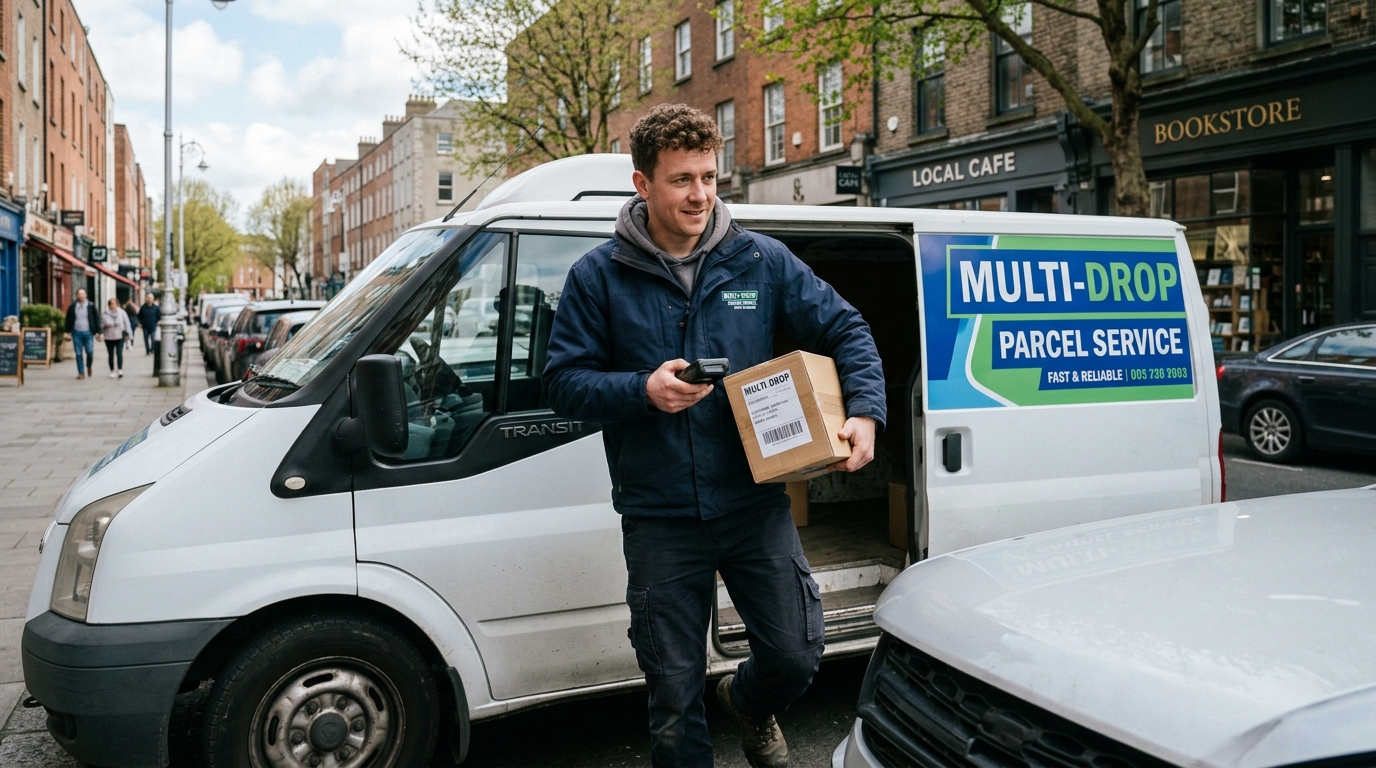
Staffing Service is urgently recruiting reliable Van Drivers for immediate temporary-to-permanent placements across the SO14 postcode and surrounding Hampshire areas. Secure your next role with competitive pay, weekly payments, and local driving opportunities.
Van Driver Job Description: Southampton SO14
Staffing Service is partnering with established logistics, retail, and distribution companies in Southampton SO14 to recruit skilled and dependable Van Drivers. This role is critical for keeping local supply chains moving, delivering goods to businesses and homes across Hampshire, and supporting the vibrant economy of the South Coast. We specialise in connecting drivers with reputable employers who value professionalism and reliability.
By applying through our agency, you gain access to a curated selection of immediate start driving jobs that aren't always advertised publicly. Our local consultants have in-depth knowledge of the Southampton logistics landscape, from the docks to the retail parks, ensuring we can match you with a role that suits your experience and availability. Whether you're looking for a stop-gap position or a pathway to a permanent career, our comprehensive staffing services are designed to get you behind the wheel quickly.
Core Responsibilities & Daily Duties
- Safely operating a company van (up to 3.5 tonnes) for multi-drop delivery routes across Southampton, Eastleigh, and the surrounding M27 corridor.
- Loading and unloading goods, ensuring all items are securely stowed and delivery paperwork (ePOD or manual sheets) is accurately completed for each stop.
- Performing daily vehicle checks (TYRES, oil, fuel, lights) and reporting any defects or maintenance issues promptly to the transport office.
- Providing excellent customer service during deliveries, representing the client professionally and handling any queries or delivery issues courteously.
- Adhering strictly to road traffic laws, drivers' hours regulations (if applicable), and all company health & safety policies, including safe manual handling techniques.
- Courier Drivers in other regions.
- Essential Requirements & Qualifications
- A full, valid UK driving licence (Category B) with a maximum of 6 penalty points. No DR, DG, or TT convictions.
- Proven experience as a Van Driver, multi-drop driver, or in a similar logistics role. Newly qualified drivers with a confident attitude are also encouraged to apply.
- A strong understanding of road safety and a responsible driving attitude. A digital tachograph card (if required for the specific vehicle) is advantageous.
- Excellent geographical knowledge of Southampton SO14 and the wider Hampshire area, with the ability to navigate efficiently.
- Physical fitness for manual handling (lifting up to 25kg) and the ability to work effectively in all weather conditions.
- Strong communication skills and a professional demeanour, as you will be the face of the client to their customers.
- Right to work in the UK documentation and a willingness to undergo a standard DBS check for certain contracts (e.g., NHS or school deliveries).
A Day in the Life: Logistics & Driving Roles
Considering a career on the road? Get a real, unvarnished look at what skilled trade and logistics work involves in today's market. This insightful video breaks down the daily realities, challenges, and rewards.
Title: Day in the Life of a Blue Collar Worker | The Hard Truth About Skilled Trades in 2026Featured Video: Day in the Life of a Blue Collar WorkerWatch on YouTubeSalary, Benefits & Why This Role Stands Out
We believe in transparent and fair remuneration. For this Van Driver position in Southampton SO14, you can expect:
Financial Rewards
- Competitive Hourly Rate: £12.50 - £14.50 per hour, depending on experience, shift patterns, and the specific client.
- Weekly Pay: Get paid every Friday, without fail, via BACS transfer.
- Holiday Pay Accrual: Build up paid holiday entitlement from your first day.
- Potential Overtime: Enhanced rates often available for weekend or extended hours.
Career & Support Benefits
- Temp-to-Perm Pathway: Many of our drivers are taken on permanently by our clients after a successful trial period.
- Dedicated Consultant: A single point of contact who manages your assignments, pay, and career progression.
- Flexible Shifts: Choose from early starts, day shifts, or late finishes to fit around your life.
- Access to Training: Opportunities for CPC training or other logistics qualifications for the right candidates.
This role offers more than just a wage; it offers stability and a chance to become an integral part of Southampton's essential logistics network. Our approach to placing talent is informed by modern strategies, much like those discussed in our resource on finding talent faster in 2026.
How to Apply for This Van Driver Position
The application process with Staffing Service is straightforward and designed to get you working quickly.
- Submit Your Details: Click the"Apply Now" button on this page to register your interest. You can also call our team directly on +442071239330.
- Quick Registration: Our consultant will contact you to discuss your experience and this specific SO14 role. We'll guide you through a fast, paperless registration.
- Interview & Documentation: We'll arrange a brief interview (often same-day) at our Southampton office or via video call. Please have your driving licence, right-to-work documents, and proof of address ready.
- Job Match & Start: Once cleared, we'll match you with the most suitable employer. For immediate start roles, you could be working within 24-48 hours.
If you are interested email your cv and info to [email protected]
Why Choose Staffing Service?
As a leading Southampton recruitment agency, we bridge the gap between talented individuals and the businesses that need them. We don't just fill vacancies; we build careers and support the local economy.
- Local Expertise: Deep knowledge of the SO14 job market, from the docks to retail parks.
- Speed & Efficiency: Our streamlined process, informed by the latest candidate screening strategies, gets you from application to assignment faster.
- Ongoing Support: A dedicated consultant supports you throughout your assignment, handling pay, queries, and career advice.
- Diverse Portfolio: Access not just driving jobs, but also roles in warehousing, customer service, and more.
Not Just Driving Roles
Staffing Service recruits for a vast array of immediate-start positions across Southampton and the UK. Explore other high-demand sectors.
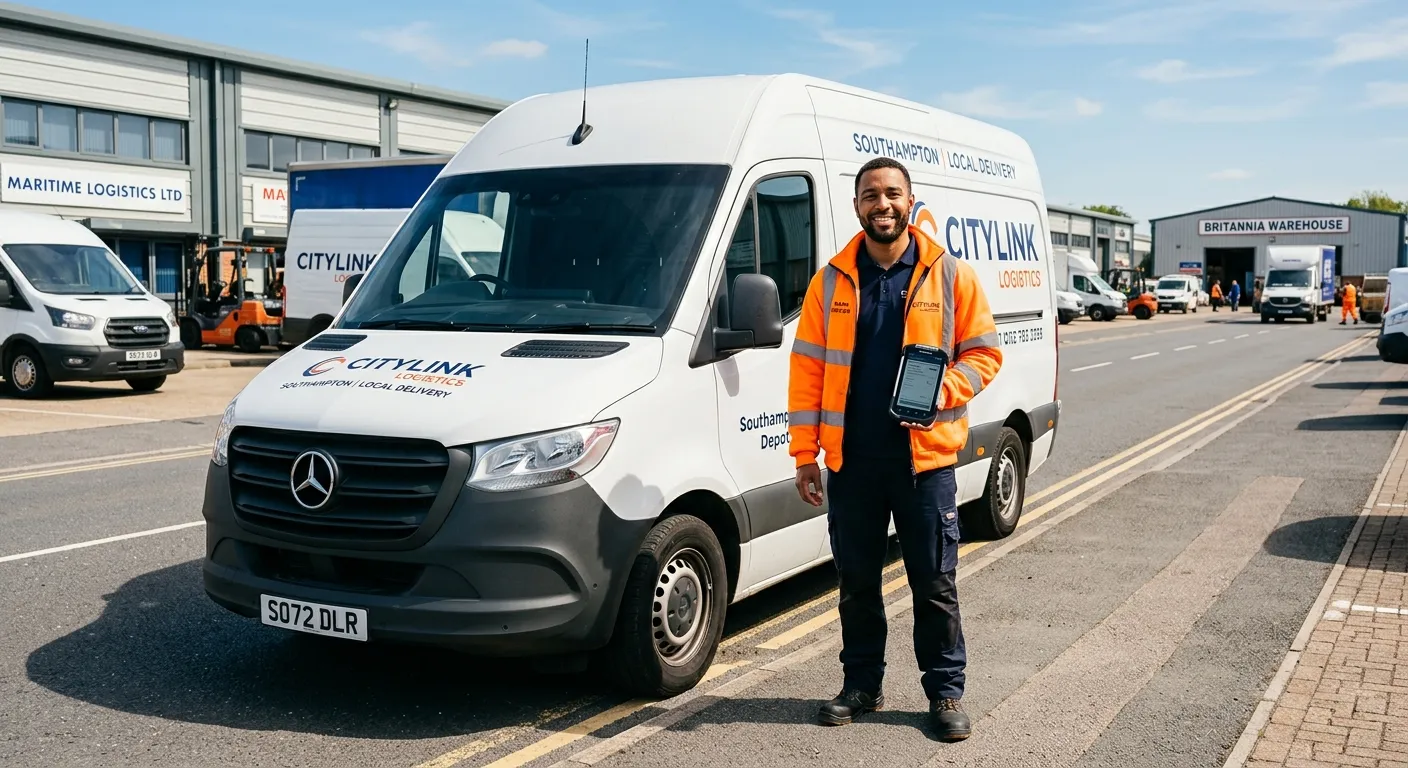
A typical day for a professional Van Driver in Southampton.
Frequently Asked Questions: Van Driver Jobs
Most roles involve driving a standard long-wheelbase panel van (up to 3.5 tonnes), which only requires a standard Category B licence. Some contracts may use smaller Transit-style vans or, occasionally, vehicles up to 7.5 tonnes (which would require Cat C1 entitlement). The specific vehicle will be confirmed during your registration and briefing with the client. All vehicles are well-maintained and insured for business use.
Absolutely. Many of our Van Driver assignments are temp-to-perm. Clients use the temporary period to assess a driver's reliability, attitude, and fit within their team. Performing well during your temporary assignment is the most effective pathway to a permanent contract. Our consultants will actively advocate for you if you express interest in a long-term role, leveraging relationships built through our partnership approach to staffing.
For immediate start roles, the process is very fast. If you have all your documents ready (licence, right-to-work, proof of address), you can complete registration in a single day. It is possible to be interviewed, onboarded, and assigned a start date for the next working day. Speed is a hallmark of our service, driven by efficient systems similar to those outlined in our guide on modern workforce scaling solutions.
Yes. All drivers receive a comprehensive client-specific induction before their first shift. This covers route planning, delivery procedures, use of handheld devices (ePOD systems), and health & safety protocols. For drivers needing Driver CPC training or other certifications, we can often signpost you to affordable local providers. Our commitment to proper onboarding ensures both your safety and success in the role.
Start Your New Driving Role Next Week
Don't let this opportunity drive by. Contact Staffing Service today and take control of your career on the road in Southampton.
If you are interested email your cv and info to [email protected]
The Southampton SO14 Logistics Hub: Your Driving Territory
Operating as a Van Driver in SO14 places you at the heart of one of the UK's most dynamic logistical ecosystems. This postcode isn't just a city centre; it's a nexus of maritime, retail, and commercial activity. Understanding this landscape is key to thriving in your role.
The Port & Docks
Southampton is the UK's second-largest container port. Drivers in SO14 often handle"last-mile" logistics for goods entering the country, from automotive parts to consumer electronics. This means time-sensitive, high-value deliveries to industrial estates in Millbrook and Marchwood, requiring meticulous handling and documentation.
Retail & City Centre
The SO14 area encompasses Westquay Shopping Centre and the bustling city centre retail district. Drivers service high-street stores, restaurants, and office buildings. This environment demands precision parking, excellent time management to avoid congestion charges (like the proposed CAZ), and adept customer service for deliveries to busy loading bays and pedestrianised zones.
NHS & Public Sector
Southampton General Hospital, a major employer, is a key client for many logistics firms. Drivers may be involved in the critical supply chain for medical equipment, pharmaceuticals, and hospital supplies. These roles often require enhanced DBS checks, a heightened sense of responsibility, and adherence to strict hygiene and security protocols.
A typical multi-drop route might start at a national distribution centre in Millbrook (SO15), deliver retail stock to Westquay (SO14), then proceed with medical supplies to the General Hospital (SO16), before finishing with parcels in residential areas like Portswood. This variety prevents monotony and builds unparalleled local knowledge.
Navigating Southampton's Unique Challenges
The efficient driver anticipates local challenges:
- Cruise Ship Days: When large cruise liners are in port, city centre traffic and pedestrian numbers surge dramatically. Proactive route planning is essential.
- University Term Time: The high student population in areas like Portswood (SO17) affects parking availability and traffic flow, especially during peak academic periods.
- Major Events: Football matches at St. Mary's Stadium, festivals in the parks, and the Boat Show all create unique traffic patterns and delivery window restrictions that seasoned drivers learn to navigate.
Technology & Tools: The Digital Toolkit of the Modern Van Driver
Gone are the days of paper maps and manual dockets. Today's Van Driver in Southampton is a tech-enabled professional. Mastery of these tools is as important as driving skill for efficiency and career progression.
1. Electronic Proof of Delivery (ePOD) Systems
This is the cornerstone of modern delivery logistics. You'll likely use a rugged handheld device or a company smartphone with a dedicated app.
A Typical ePOD Workflow:
- Scan & Load: Scan each parcel's barcode as you load the van. The system creates your digital manifest and optimises your delivery sequence.
- In-Transit Updates: Use the device's built-in sat-nav for turn-by-turn directions. The system provides real-time traffic updates and can automatically notify customers of an estimated delivery time (ETA).
- At the Drop: Scan the parcel upon arrival. The customer signs directly on the screen or you select a delivery status (e.g.,"Left in safe place" with a photo). For"Collect on Delivery" (COD) payments, the device may process card transactions.
- End-of-Day Sync: Once finished, the device syncs all data back to the client's head office, instantly updating inventory and invoicing systems. This immediacy is why weekly pay is standard—the work is logged and verified digitally in real-time.
2. Digital Tachographs & Drivers' Hours
For vehicles over 3.5 tonnes, or if your specific contract involves goods that fall under EU/UK drivers' hours rules (even in a smaller van), you will use a digital tachograph. This isn't just a legal requirement; it's a record of your professional conduct.
- Smart Card: You will have a personal driver card inserted while driving. It records driving time, breaks, rest periods, and other work.
- Planning Ahead: Professional drivers plan their day around the legal limits (e.g., maximum 9 hours driving in a day, mandatory 45-minute breaks after 4.5 hours). Clients we work with provide clear training on this, as compliance is critical for their Operator's Licence.
- An Advantage: Experience with a digi-tachograph is a significant asset on your CV and can open doors to higher-paid HGV driving roles in the future. We can advise on Driver CPC training opportunities.
3. Telematics & Vehicle Performance
Most company vans are fitted with telematics systems. This isn't"Big Brother" surveillance; it's a safety and efficiency tool that protects you and the business.
How It Supports You:
- Safety Scoring: Monitors smooth acceleration, braking, and cornering. A good score demonstrates your safe driving style.
- Accident Protection: In the event of a collision, the system can automatically alert the office and provide location data for emergency services.
- Fuel Efficiency: Helps identify driving habits that improve MPG, saving the company money and reducing environmental impact.
What Clients See:
- Punctuality: Real-time tracking ensures they can provide accurate ETAs to their customers.
- Idle Time Management: Helps optimise routes and reduce unnecessary engine idling.
- Vehicle Health: Alerts for potential mechanical issues before they cause a breakdown.
Embracing this technology makes you a more valuable, efficient, and safe driver. It's a key part of the professional development we encourage for all our temporary staff, aligning with our philosophy of building a future-proof workforce.
Beyond the Wheel: Career Pathways & Long-Term Progression
Starting as a Van Driver in Southampton is often the first step on a rewarding career ladder within the logistics and transport sector. Staffing Service doesn't just place you in a job; we help you map a trajectory based on your ambitions.
Potential Career Pathway in Logistics
Van Driver (3.5T)
Master multi-drop, customer service, and technology. Build local knowledge and a flawless safety record.
Timeframe: 0-18 months
Class 2 (C1/C) Driver
Progress to rigid lorries (up to 32T). Often involves palletised work, trunking to regional hubs, or bulk deliveries. Requires additional licence acquisition.
Avg. Pay Increase: +£2-£4 p/h
Class 1 (C+E) / ADR Specialist
Operate articulated lorries for national work. Specialise in tankers, refrigerated transport, or dangerous goods (ADR). Highest earning potential on the road.
Avg. Pay Increase: +£4-£8 p/h vs. Van
📊 Transport Office / Planner
Use your road experience to plan efficient routes, manage driver schedules, and handle customer communications from an office base.
👨💼 Depot / Shift Manager
Progress into leadership, overseeing a team of drivers and warehouse staff, ensuring health & safety compliance, and managing daily operations.
Real Investment in Your Future: Training & Licences
The biggest barrier to progression is often the cost of training. Staffing Service and our partner clients have strategies to support ambitious drivers:
- CPC Module 4 (Practical Demonstration) Training: For drivers needing to complete their Initial or Periodic Driver CPC, we can connect you with trusted, affordable local training providers. Some clients may offer to contribute to this cost for drivers on a long-term temp-to-perm assignment.
- Licence Upgrades (C1, C, C+E): While the full cost of an HGV licence is substantial, performing exceptionally well as a van driver can position you as an internal candidate for sponsorship when a client company looks to grow their HGV fleet. We have seen this happen repeatedly with our long-term partners.
- ADR (Dangerous Goods) & HIAB (Loader Crane) Certifications: These niche, high-value qualifications are often funded by specialist logistics companies seeking to develop their existing talent pool. Expressing a long-term interest to your dedicated consultant allows us to flag you for such opportunities.
Case Study: From Temp Van Driver to Transport Supervisor
Background:"Mark" registered with Staffing Service in 2022 as a Van Driver for an immediate start role with a Southampton-based building supplies merchant.
Progression: Mark demonstrated exceptional reliability, customer feedback, and initiative—he informally helped new temps learn the routes. His permanent employer, recognising his potential, sponsored his transport office apprenticeship. Within two years, he was promoted to a supervisory role, planning routes for the very van fleet he once drove. “Staffing Service got me in the door. My attitude and their advocacy did the rest,” Mark says.
Health, Safety & Wellbeing: A Professional Driver's Priority
Driving is a physical and mentally demanding profession. At Staffing Service, we and our clients are committed to the holistic wellbeing of our drivers. Safety isn't just a policy; it's the foundation of a sustainable career.
Physical Safety & Manual Handling
Injuries from manual handling are a leading cause of absence for drivers. Correct technique is non-negotiable.
The Safe Lift Protocol (T.I.L.E.):
- TTask: Assess the weight, size, and stability of the load. Is it awkward? Do you need a trolley or team lift? Never exceed safe limits (often 25kg solo).
- IIndividual: Are you fit to lift? Consider your own strength, fatigue levels, and any existing injuries.
- LLoad: Keep it close to your body. Bend your knees, not your back. Avoid twisting while carrying.
- EEnvironment: Check for trip hazards, wet floors, uneven ground, and adequate space at the delivery point.
All our drivers receive manual handling awareness training, and clients are required to provide appropriate equipment like hand trolleys, sack trucks, and PPE (gloves, safety shoes).
Mental Wellbeing & Driver Fatigue
The pressure of deadlines, traffic, and customer interactions can be stressful. Managing this is key to long-term job satisfaction.
- Plan Your Breaks: Use your legal rest periods effectively. Get out of the cab, take a short walk, and have a proper lunch away from the wheel. This isn't skiving; it's essential for alertness.
- Hydration & Nutrition: Keep a water bottle in the cab. Avoid heavy, sugary lunches that cause an afternoon energy crash. Preparing meals the night before saves money and supports better health.
- Open Communication: If route volumes are consistently unrealistic or you face unreasonable customer aggression, report it to your transport office and your Staffing Service consultant. We are your advocate and can address issues with the client professionally.
- Switch Off: Develop a routine to mentally transition out of"work mode" at the end of the day. This helps prevent burnout and ensures you return refreshed.
Your Legal Rights & Protections as an Agency Driver
Working through an agency like Staffing Service does not diminish your employment rights. You are protected by a robust legal framework.
Working Time Directive
You cannot work more than an average of 48 hours per week unless you voluntarily opt out. You are entitled to rest breaks and daily/weekly rest periods.
Equal Treatment (AWR)
After 12 weeks in the same role, you have the right to the same basic pay, working hours, and holiday as a permanent employee of the client.
Health & Safety
You have the same right to a safe working environment, risk assessments, and proper training as any employee. You must report any unsafe practices.
Your dedicated consultant is your first point of contact for any questions about your rights. We ensure all assignments comply with these regulations, reflecting our commitment to ethical staffing, a principle explored in our article on sustainable recruitment practices.
Acing Your Application & Interview: A Step-by-Step Guide
To stand out for these immediate start roles, preparation is key. Here’s exactly what our recruitment team looks for and how you can present yourself as the ideal candidate.
Preparing Your CV for Van Driver Roles
Your CV is your first impression. Tailor it for driving roles.
| Do This... | Not This... |
|---|---|
| Highlight Licences & Certificates: Start with"Full UK Cat B Licence (X penalty points)". Mention Digi Tachograph Card, Driver CPC, any ADR. | Bury your driving licence details at the bottom of the page. |
| Quantify Your Experience:"Responsible for 40+ multi-drop deliveries daily across Hampshire" or"Achieved a 99.8% on-time delivery rate." | Use vague phrases like"Drove a van and delivered parcels." |
| Mention Relevant Tech:"Experienced with XYZ ePOD systems, telematics, and route planning software." | Ignore the technology you use daily. |
| Focus on Safety & Reliability: Include bullet points like"Maintained a clean driving record" and"Zero damage or loss incidents in 2 years." | Forget to mention your safety record or attendance. |
The Interview: Common Questions & Winning Answers
Our interviews are conversational but structured. We need to verify your competency and attitude.
Question:"Describe a time you faced a difficult delivery situation. How did you handle it?"
What We're Assessing: Problem-solving, customer service, and composure.
Strong Answer: "Once, a business customer was closed during their stated delivery window. Instead of leaving, I called the contact number on the docket, confirmed a safe place with them over the phone, took a time-stamped photo as proof, and left a note. I then updated the ePOD system immediately. The customer thanked the office for my initiative." This shows proactivity and understanding of procedure.
Question:"How do you plan your day to ensure all deliveries are made on time?"
What We're Assessing: Organisational skills, time management, and local knowledge.
Strong Answer: "I start by checking the manifest for any timed deliveries or special instructions. I then mentally group drops by area, factoring in known traffic hotspots like the Itchen Bridge at 8:30 am. I always build in a small buffer for unexpected delays and never rush at the expense of safety." This shows strategic thinking and awareness.
Question:"Why do you want to work through an agency for this role?"
What We're Assessing: Motivation and understanding of the temp-to-perm model.
Strong Answer: "I value the flexibility and variety that agency work offers, and I see it as an efficient way to prove my value to a local company with the goal of securing a permanent position. I've heard positive feedback about Staffing Service's support for drivers, which is important to me." This is honest, positive, and shows you've done your homework.
Documents Checklist: Bring These to Your Registration
To speed up your onboarding, have digital copies or originals of these ready:
Driving Licence (Both Parts)
Right to Work (Passport/Biometric Card)
Proof of Address (Utility Bill, Bank Statement)
Bank Details (For Payroll)
Missing documents are the single biggest delay in starting work. Having these prepared demonstrates your professionalism and eagerness to begin.
The Financial Realities: Understanding Pay, Costs & Maximising Your Earnings
While the advertised rate of £12.50 - £14.50 per hour is clear, a professional driver’s financial picture involves understanding the full package, managing job-related expenses, and knowing how to strategically increase your take-home pay. This transparency empowers you to make informed decisions.
Deconstructing Your Payslip: Agency Driver Edition
Your weekly payslip will detail more than just hours multiplied by rate. Here’s a breakdown of what to expect:
| Component | Description | Example (40hrs @ £13.50) |
|---|---|---|
| Basic Pay | Your core hourly rate for all hours worked. | £540.00 |
| Holiday Pay Accrual | By law, you accrue paid holiday. This is typically 12.07% of your basic pay, either paid weekly or banked for you to claim when you take leave. | + £65.18 (accrued) |
| Overtime Premium | Hours over your agreed standard week (e.g., over 40) may be paid at a higher rate, e.g., time-and-a-half. | Varies (e.g., +£20.25/hr for OT) |
| Deductions (Tax, NI, Pension) | Standard PAYE deductions. You may be auto-enrolled into a pension scheme after 12 weeks. | - Approx. £130.00* |
| Estimated Take-Home | Weekly net pay after deductions (excluding holiday pay cash-out). | ~ £410.00 |
*Figure is an estimate. Actual deductions depend on your tax code and personal circumstances.
It's crucial to discuss with your consultant when and how holiday pay is paid. Some agencies pay it weekly alongside your basic pay (increasing immediate take-home), while others bank it. Both are legal, but you should know the policy.
Managing the Costs of Being a Driver
While the company covers fuel, insurance, and vehicle maintenance, you have incidental costs. Smart management here effectively boosts your net income.
Common Out-of-Pocket Costs
- Commute to Depot: Your travel to and from the client's depot is typically at your own cost. Consider car-sharing with other drivers or using public transport if feasible.
- Food & Drink: Buying lunch, coffee, and snacks daily can easily cost £40-£60 per week. Meal prepping can cut this by over 50%.
- Appropriate Footwear & Clothing: While high-vis jackets are usually provided, investing in a pair of quality, comfortable safety shoes is wise for long-term comfort and foot health.
- Mobile Data: If using your own phone for maps or contacting the office, ensure you have a sufficient data plan. Some clients provide devices or offer a small allowance.
Pro Tips to Maximise Net Earnings
- Express Interest in Overtime: Let your consultant know you're available for weekend or extended shifts. Overtime rates significantly boost weekly pay.
- Seek Longer-Term Assignments: After 12 weeks, under the Agency Workers Regulations (AWR), you may be entitled to equal pay, potentially aligning you with the client's permanent staff rate.
- Optimise Your Tax Code: Ensure HMRC has your correct details. If you have a second job or unique circumstances, an incorrect code can mean over- or under-paying tax.
- Claim Valid Expenses: In some very specific circumstances (e.g., if you are paid under an umbrella company with a travel and subsistence scheme), you may be able to claim certain allowances. Your consultant can advise if this applies.
Case Study: 12-Month Financial Journey
Tracking"Sarah's" earnings from her first day as a temp to securing a permanent role.
"The key was consistency. Showing up reliably for six months made me the obvious candidate for the permanent position when it opened. The pay rise and company pension were a game-changer for my family's budget." - Sarah, now a permanent driver for a Southampton courier firm.
The Social & Professional Network: Building Your Reputation in the Southampton Logistics Community
Southampton's logistics scene, particularly around SO14, is a tight-knit community. Your professional reputation is a valuable asset that travels faster than any van. Building a positive one opens doors to the best assignments, permanent offers, and insider knowledge on upcoming opportunities.
The Unwritten Rules of the Depot & The Road
Success isn't just about driving skill; it's about how you integrate into the workplace ecosystem.
At the Client's Depot
- Be Early, Not Just On Time: Arriving 15 minutes before your shift start allows time for vehicle checks, loading, and a briefing without rushing. It signals reliability.
- Respect the Warehouse Team: They are your internal customers. A polite"morning" and helping to load efficiently (not just standing by) builds crucial goodwill.
- Communicate Proactively: If you see a potential issue with a load (leaking package, poor stacking), flag it immediately with the warehouse supervisor, not just later with your agency.
- Leave It Tidy: Return your van with waste removed, fuel topped up if required, and any defects reported. This gets noticed by fleet managers.
On the Road & With Customers
- Professional Demeanour Always: You represent the client. Even if a customer is frustrated, stay calm and solution-focused. A negative interaction can lead to a complaint that damages both your and the agency's reputation with that client.
- Help Fellow Drivers: If you see a broken-down van from a known local company, a quick call to their office (if safe) fosters community spirit. What goes around comes around.
- Local Business Knowledge: Learn the names of receptionists or goods-in managers at regular drops. This personal touch can turn a strict"no parking" into a waived restriction.
Leveraging Your Agency Relationship
Your Staffing Service consultant is your career agent. A strong relationship is mutually beneficial.
How to Be a"Star" Agency Driver
Communication
Respond promptly to calls/ texts. Give ample notice if you're unwell. Update your consultant on how the assignment is going.
Performance Feedback
If the client gives positive feedback (e.g.,"great with customers"), ask if they can share it with your agency. This gets added to your file.
Clear Ambitions
Tell your consultant if you want permanent work, HGV training, or specific shift patterns. They can't advocate for you if they don't know your goals.
When a client asks for"someone reliable like the last driver you sent," your consultant's first thought will be their"star" drivers. This leads to first refusal on the best, longest-term, and highest-paid assignments. This proactive partnership mirrors the effective strategies we employ for broader staffing solutions.
Tapping into the"Hidden" Job Market
Many of the best permanent driving jobs in Southampton are never advertised. They are filled through:
- Internal Promotion/Temp-to-Perm: A company prefers a known quantity (you) over an unknown external candidate.
- Word-of-Mouth Recommendation: A transport manager asks their network for a good driver.
- Agency Pre-Screening: A client needs a permanent hire and asks their trusted agency (like us) to put forward their top 2-3 temporary drivers.
By performing excellently on a temporary assignment and maintaining a strong, communicative relationship with your agency, you position yourself directly in front of these hidden opportunities. Your network isn't just people you know; it's the professional reputation you build daily on every route and at every depot.
Seasonal Peaks, Industry Trends & Future-Proofing Your Career
The demand for Van Drivers in SO14 isn't constant. Understanding the annual cycles and broader industry shifts allows you to plan for busy periods with high overtime, secure work during quieter times, and adapt your skills for long-term employability.
The Southampton Driver's Annual Calendar
| Period | Industry Drivers | Impact on Drivers | Pro-Tip |
|---|---|---|---|
| Jan - Mar | Post-Christmas returns, building/merchant trade picks up, colder weather. | Steady work. Potential for adverse weather delays. More indoor/warehouse graft. | Ensure you have warm, waterproof gear. Be prepared for more manual handling of building materials. |
| Apr - Jun | Retail spring stock, garden centre deliveries peak, cruise ship season starts. | Increased volume. City centre congestion rises with tourism. More overtime available. | Plan routes to avoid the docks area on major cruise ship arrival/departure days. |
| Jul - Sep | Peak tourism, Boat Show (major event), summer leave cover needed. | Highest demand for temporary cover. Event logistics create unique challenges and specialist shifts. | Book time off well in advance if needed. Express availability for event-related work—it often pays a premium. |
| Oct - Dec | Retail build-up to Black Friday & Christmas, peak parcel volume. | Extremely high volume, long hours, weekend work standard. Peak earning period. | Focus on stamina and safety. The money is great, but fatigue risk is high. Communicate any concerns early. |
Future-Proofing: Trends Shaping the Next 5 Years
The logistics industry is evolving rapidly. Drivers who adapt will thrive.
The Rise of Electric & ULEZ-Compliant Vehicles
Southampton has a Clean Air Zone (CAZ) proposal. While currently on hold, the direction of travel is clear. Companies are rapidly transitioning to electric vans (EVs) and Euro 6 diesel vehicles.
What This Means For You: Familiarity with EVs (range planning, charging procedures, different driving characteristics) is becoming a valuable skill. It may soon be a standard part of inductions. Demonstrating an understanding of CAZ rules shows foresight to employers.
Micro-Fulfilment &"Dark Stores"
To enable faster grocery and retail deliveries, small urban warehouses ("dark stores") are appearing. This changes delivery patterns from large out-of-town depots to multiple, smaller, inner-city hubs.
What This Means For You: Routes may become shorter but more frequent, with an even greater emphasis on speed and precision in dense urban areas like SO14. Knowledge of backstreet access and parking in residential areas becomes premium.
The"Driver-Plus" Role
Companies increasingly seek drivers who can handle basic technical issues, provide premium"white glove" delivery services (assembly, installation), or conduct basic sales/stock checks at point of delivery.
What This Means For You: Diversifying your skill set makes you indispensable. Expressing willingness to be trained in customer service, basic product knowledge, or using advanced handheld tech for inventory checks can set you apart. This aligns with the broader need for a future-proof workforce.
Your Next Move: More Than Just a Driving Job
Choosing to apply for this Van Driver role in Southampton SO14 through Staffing Service is a strategic career decision. You are not simply accessing a job; you are gaining:
Immediate Access
A fast-track into the vital logistics sector with competitive, weekly pay from day one.
Local Navigation
A partner with deep Southampton expertise to guide you to the right employers and opportunities.
Future Trajectory
A proven pathway for progression, from temp to perm, and potentially to HGV or supervisory roles.
The road to a stable, rewarding career in logistics starts with a single application. With the detailed knowledge you now have—from financial planning and seasonal trends to technology and networking—you are equipped not just to get the job, but to excel and build a lasting future on it.
Ready to drive your career forward? Email [email protected] or call 0207 123 9330.
A Realistic Day in the Life: From Depot to Debrief
Beyond the job description lies the rhythm of the actual workday. Understanding this granular detail helps you mentally prepare and develop the routines that separate a good driver from a great one. Here’s a breakdown of a typical shift for a multi-drop driver in the SO14 area, from the first alarm to the end-of-day handover.
The Shift Timeline: 10 Hours of Focused Activity
Pre-Start & Depot Arrival
The day begins before sunrise. A professional driver accounts for traffic on the commute to the client’s depot, often located in Millbrook or Marchwood. Arriving 15-20 minutes before the official start time allows for a coffee, checking in with the transport office, and collecting the handheld device (ePOD) and route sheet. This buffer is critical; arriving at the exact start time means you’re already behind.
Vehicle Inspection & Loading
This is a non-negotiable safety and legal procedure. You’ll conduct a thorough ‘walk-around check’: tyres (pressure and tread), lights, mirrors, fluid levels, and bodywork for any new damage. Any defects are logged immediately. Meanwhile, the warehouse team loads your van. A proactive driver assists, checking parcel labels against the manifest to catch any mis-sorts early—saving huge headaches hours later on the road.
Morning Delivery Run
The core of the shift. You’ll tackle the first 20-30 drops, often a mix of business deliveries in the city centre (SO14) and industrial estates. This period requires intense focus: navigating rush hour traffic, finding legal parking (a constant challenge near Westquay), managing customer interactions, and accurately completing ePOD signatures. The most skilled drivers mentally group deliveries by street and manage their time to hit specific ‘timed windows’ for key accounts.
Legally Mandated Break
After 4.5 hours of driving, a 45-minute break is legally required. This isn’t just a rule; it’s a vital recharge. Smart drivers plan this break near a park or services, away from the van. They use the time to eat a prepared lunch, hydrate, and briefly switch off. This investment in wellbeing directly impacts safety and performance for the demanding afternoon ahead.
Afternoon Run & Problem-Solving
The afternoon often involves residential deliveries in areas like Portswood (SO17) and Bitterne (SO19). Challenges shift from parking to access issues—secure apartment blocks, no safe place to leave parcels, or customers not at home. This is where judgment and procedure are key. You’ll follow client-specific rules on ‘safe place’ leaves, taking photographic proof, and managing ‘failed’ returns. Constant communication with the transport office via the ePOD is essential.
Returns, Refuelling & Debrief
Returning to the depot, you’ll unload any undelivered parcels, scanning them back into the system. You’ll refuel the van if needed (using a company fuel card) and complete a post-trip vehicle check. The final, crucial step is the debrief with the transport planner: handing in the ePOD device, reporting any customer issues, vehicle faults, or route problems. This feedback loop helps improve operations for everyone.
The Mental Load: What They Don't Teach You
The physical work is only half the story. The cognitive demands are constant:
- Dynamic Risk Assessment: Every parking spot is a new risk calculation. Is it a bus stop? Is the pavement wide enough? Will the van block a driveway? This assessment happens dozens of times a day.
- Information Juggling: Holding in your mind the next three addresses, any special instructions for each, while simultaneously navigating traffic and listening for updates from the office via the hands-free kit.
- Emotional Labour: Maintaining a friendly, professional tone with the tenth customer of the day, even when you’re behind schedule and they’re frustrated their parcel is late—a delay often completely outside your control.
- Decision Fatigue: By the afternoon, the cumulative effect of hundreds of small decisions (which route, where to park, how to handle a refusal) can be mentally draining. This is why established routines for breaks and planning are so vital.
Recognising and managing this mental load is a hallmark of a seasoned professional. It’s a skill we value highly when matching drivers to our more complex, high-value client contracts.
The Vehicle: Mastering Your Mobile Office and Primary Tool
For a Van Driver, the vehicle is not just transport; it’s your workspace, your toolkit, and the single largest factor in your daily safety and efficiency. Developing a symbiotic relationship with your van—understanding its quirks, capacities, and systems—is fundamental to professional success.
Anatomy of a Modern 3.5T Panel Van
While models vary (Ford Transit, Mercedes Sprinter, Vauxhall Vivaro are common), the layout and systems are similar.
🚙 The Driver's Cab: Command Centre
- Ergonomics are Key: First adjustment: seat, steering wheel, mirrors. A poor setup leads to back pain and reduced visibility. Many vans now have lumbar support and adjustable armrests—use them.
- Technology Integration: The dashboard may have a built-in screen for reversing cameras, telematics data, and Bluetooth. Pairing your phone legally (via hands-free) is essential for taking calls from the office.
- Storage & Organisation: Use the door pockets, overhead shelf, and central console for your daily kit: delivery device, charger, water bottle, clipboard, hand sanitiser, and a small first-aid kit. A cluttered cab is a distracted and unprofessional cab.
- Climate Control: Managing the cab temperature is vital for concentration. In winter, demisting effectively is a safety issue. Learn the system quickly to avoid fiddling while driving.
📦 The Load Space: Logistics Puzzle
- Strategic Loading: The golden rule: last in, first out (LIFO). Parcels for your last delivery go in first, at the front of the van. This seems obvious but is often rushed. A poorly loaded van means wasted time digging for parcels, damaged goods, and unsafe weight distribution.
- Utilising Features: Use the bulkhead door to pass small parcels through to the cab. Use load bars and straps to secure pallets or unstable items. Know the van’s internal height to avoid stacking too tall.
- Weight Distribution: Heavier items should be placed low and centred over the axles. An unevenly loaded van handles poorly, increases tyre wear, and can be dangerous in corners.
- Daily Reset: At the end of the shift, remove all trash, personal items, and delivery debris. A clean load space is the first impression for the warehouse loader the next morning and prevents pest issues.
Advanced Vehicle Management & Troubleshooting
A professional driver goes beyond just driving. They are the first line of defence for vehicle health and operational continuity.
Common On-Road Issues & Your Action Plan
1. Warning Lights on the Dashboard
Immediate Action: Do not ignore them. A red warning light (e.g., engine oil pressure, brake system) means stop safely as soon as possible and call the transport office. An amber light (e.g., engine management) means you can continue but must report it immediately at the end of your shift or at your next stop. Know the difference.
2. Tyre Blowout or Rapid Deflation
Immediate Action: Grip the steering wheel firmly, do not brake sharply. Allow the vehicle to slow gradually while indicating and moving to a safe, hard-standing location (never stop on a bend or crest). Turn on hazard lights. Call the office for recovery. Most company vans do not carry a spare tyre for 3.5T vehicles due to weight and space; recovery is the standard procedure.
3. Breaking Down in a Dangerous Location (e.g., Motorway)
Immediate Action: Try to coast to the hard shoulder. Turn wheels to the left. Turn on hazard lights. Exit the vehicle via the left-hand door and get behind the safety barrier. Use a mobile phone to call the office and, if necessary, National Highways on 999. Never place a warning triangle on a motorway. Your safety is infinitely more important than the vehicle or its load.
Preventative Care: The Driver's Responsibility
Prevention is always better than cure. A meticulous daily check is your most powerful tool.
The 5-Minute Walkaround Checklist:
- Tyres: Visual check for cuts, bulges, embedded objects. Use a gauge weekly for pressure.
- Lights: Indicators, headlights (dip/main), brake lights, number plate light. A quick test against a wall or window reflection.
- Fluids: Quick dipstick check for oil, visual check of coolant reservoir (when engine cold).
- Body & Glass: Look for new damage, clean mirrors and windscreen (inside and out).
Weekly Deep Check:
- Wiper Blades: Check for streaking or splitting.
- Wheel Nuts: Visual check for anything obviously loose (never tighten without a torque wrench).
- First Aid & Safety Kit: Ensure the in-cab kit is present and intact.
- Documentation: Ensure the vehicle insurance, MOT certificate, and plating certificate (if required) are in the cab and valid.
Documenting every check and defect report in writing (via the company app or paper sheet) protects you. It creates an audit trail proving you acted professionally and responsibly. This diligence is exactly what clients report back to us, solidifying your reputation as a top-tier agency driver.
The Human Element: Mastering Customer Interaction Scenarios
Your ability to manage people is as important as your ability to manage the vehicle. Every delivery stop is a micro-interaction that shapes the client’s brand reputation. Here, we break down common and complex customer scenarios, providing scripts and strategies to handle them with professionalism that gets noticed.
Standard Delivery Protocol & Professional Scripts
Establishing a consistent, polite routine creates efficiency and reduces friction.
The Ideal 90-Second Business Delivery
- Approach & Announcement: Park legally and safely. Approach the reception/goods-in door. If unattended, ring bell or call contact number. Script:"Good morning, delivery from [Client Company Name] for [Business Name]."
- Verification & Handover: Have the parcel label visible. Ask for the recipient's name if required. Hand over the parcel clearly. Script:"Could I just get the surname for the delivery, please? Thank you. Would you like it here or shall I take it through?"
- Digital Completion: Present the ePOD device for a clear, on-screen signature. If they sign, ensure it's legible. Script:"Just a quick signature on the screen for me, please. Perfect, thank you."
- Departure: Thank them and leave promptly. Script:"Have a good day." A smile and eye contact here are invaluable.
Navigating Difficult Situations: A Tactical Guide
When things don't go to plan, your response defines your professionalism.
Scenario 1: The Aggressive or Dissatisfied Customer
The parcel is late, damaged, or not what they ordered. Their frustration is directed at you.
Do NOT: Take it personally, argue, make excuses, or accept blame for issues outside your control (e.g.,"The warehouse sent the wrong item").
DO - The DEAR Method:
- D - De-escalate: Use a calm, low tone."I understand you're frustrated, and I want to help resolve this."
- E - Empathise (Not Apologise):"I can see why that's disappointing." Avoid"I'm sorry," which can be construed as admitting fault.
- A - Action & Authority: Explain the process."My system shows this is what was given to me to deliver. The best thing I can do is mark this as a 'customer complaint' on my device right now, which will immediately alert the returns team at head office. They will contact you directly within 24 hours to arrange a solution."
- R - Redirect & Record: Complete the ePOD with a note like"CUST COMPLAINT - DAMAGED / WRONG ITEM". Inform your transport office at the next safe opportunity.
This approach demonstrates control, channels the complaint to the correct department, and protects you from being drawn into a conflict.
Scenario 2: The"Safe Place" Dilemma
No one is home. The delivery note says"Leave in safe place if no answer," but no safe place is obvious.
The Golden Rule: If in doubt, take it away. A stolen parcel is your responsibility if you left it in an unsecure location against your better judgment.
Decision Tree:
- ✓ Secure: A locked porch, with a neighbour who has explicitly accepted it (get their name!), a dedicated parcel box.
- ✗ Not Secure: On a doorstep visible from the street, in an open bin shed, over a back gate, with a neighbour who seems unsure.
Procedure: If leaving it, take a clear photo showing the parcel and its location relative to the door (for proof). Select"Left in Safe Place" on the ePOD and add a note like"Left in locked porch as per instruction." If taking it away, select"Customer Not Home" and follow the client's process for carding (leaving a"We missed you" note) or automatic re-delivery.
Scenario 3: Access Challenges at Apartment Blocks or Secure Sites
You arrive at a large building with an intercom system, and the customer isn't answering.
Proactive Strategy:
- Call the Number: Use the contact number on the manifest before even getting out of the van. Many customers will come down if they know you're outside.
- Use the Intercom: If no answer, try the intercom. Sometimes a helpful neighbour or concierge will let you in to leave it at the apartment door.
- Site Security/Reception: For business parks or hospitals, always go to the main reception first. They often have a dedicated goods-in procedure.
- The Last Resort: If all access fails, this becomes a"Failed Delivery." Do not tailgate vehicles into secure yards or prop open security doors. This is a breach of site security rules and could result in your agency being banned from the contract.
Time management is key here. Set a mental timer (e.g., 5 minutes) for attempting access. After that, the cost in lost time for the rest of your route outweighs the single delivery. Log the attempt accurately on your device and move on.
Turning Service into Opportunity: The Value-Add Driver
Exceptional drivers look for ways to create positive impressions that generate feedback. This isn't"going above and beyond" unnecessarily; it's smart professionalism.
- Remember Names & Preferences: At a regular business drop, remembering the receptionist's name or that they prefer parcels left in the mail room builds rapport.
- Basic Proactive Communication: If you're running more than 30 minutes late for a timed delivery, a quick call to the customer (via the office or hands-free) is appreciated."Hi, it's [Your Name] the driver with [Company]. I'm stuck in traffic on [Road], I'll now be with you around [New Time]. Is that still okay?" This simple act prevents complaint calls to the client.
- Minor Problem-Solving: Noticing a parcel is lightly damaged during unloading? Mention it to the recipient upon handover."I just wanted to point out there's a slight dent on the corner here, so you can check the contents straight away." This shows care and transparency.
This level of service generates positive comments that filter back to the transport manager and, crucially, to your Staffing Service consultant. It's the kind of detail that makes you the first name on the list for the next premium, long-term assignment. In an industry often focused on metrics, the human touch is a powerful differentiator, aligning with our philosophy of building sustainable, positive workforce relationships.