
Does Buc-ee's Hire Full-Time Employees? The Comprehensive Guide to Hiring & Staffing
A deep-dive analysis into the staffing strategies of the iconic travel center chain and actionable insights for businesses.
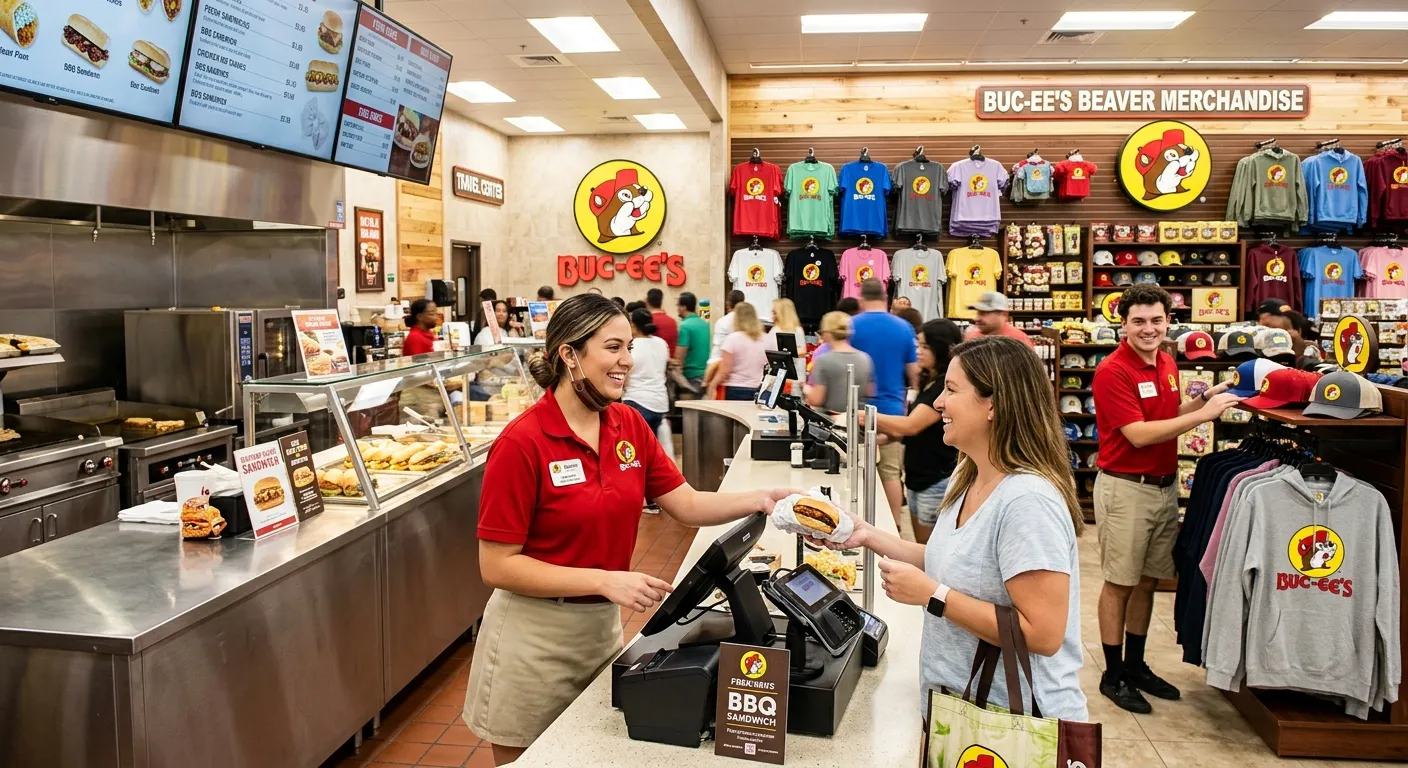
The question "does bucees hire full time employees" speaks to a broader curiosity about the workforce strategies of one of America's most renowned retail giants. Buc-ee's, famous for its colossal stores, pristine facilities, and beaver mascot, operates on a model that demands a significant and dedicated workforce. For job seekers and business analysts alike, understanding their approach to hiring—whether they lean on full-time, part-time, or a flexible mix—reveals key lessons in retail operations, employee retention, and large-scale service management. This guide will not only answer that primary question in detail but will also explore the implications for other businesses seeking to optimize their own staffing, including the strategic use of temporary hiring out of personnel agreement frameworks to manage fluctuating demand.
Buc-ee's Staffing Model: A Multi-Category Overview
Buc-ee's staffing is complex, designed to support 24/7 operations, massive customer volumes, and an extensive array of services. Let's break it down by employment type.
Comprehensive Full-Time Employment at Buc-ee's
Yes, Buc-ee's does hire a substantial number of full-time employees. Given the scale of their operations—stores often exceeding 50,000 square feet and operating 24 hours a day—a core of dedicated, full-time staff is essential for stability, training, and maintaining their renowned standards of cleanliness and customer service. Full-time roles are prevalent in:
- Food Service & Kitchen Operations: Preparing the famous brisket, pastries, and other fresh food items requires skilled, consistent teams.
- Retail & Merchandising: Managing the vast floor space and extensive inventory of branded merchandise and travel essentials.
- Facility Maintenance & Janitorial: Buc-ee's prides itself on having the cleanest restrooms in America, a reputation upheld by dedicated cleaning crews.
- Fuel Station Operations: Managing fuel pumps and outdoor facilities often requires full-time oversight.
These positions typically come with benefits packages, which are a key part of Buc-ee's strategy to attract and retain quality staff in a competitive retail labor market. This focus on building a committed core team is a lesson for any business; investing in full-time staff builds institutional knowledge and drives consistent service quality. For companies looking to emulate this stability but needing to scale quickly, partnering with a specialist agency for core roles can be transformative. Our Comprehensive HR Solutions page details how to build such a robust foundation.
Part-Time & Seasonal Staffing Dynamics
To handle peak travel periods—holidays, summer vacations, and weekends—Buc-ee's strategically employs part-time and seasonal workers. This flexible layer of staffing allows them to scale up efficiently without the long-term commitment of full-time hires for every role. This is a classic example of workforce agility. Similar strategies are employed successfully in sectors like events and retail hubs; for instance, sourcing Retail Assistant staff for peak shopping seasons in locations like Meadowhall requires the same flexible approach.
The part-time model suits students, individuals seeking supplementary income, or those who prefer flexible schedules. For Buc-ee's, it ensures they are never understaffed during critical revenue-generating times. Businesses can learn from this by establishing clear channels for temporary hiring out of personnel agreement partnerships, which provide vetted, ready-to-work staff on demand, mitigating the risks of being short-staffed during busy periods.
Leadership, Supervision, & Store Management
Leadership roles at Buc-ee's are almost exclusively full-time, salaried positions. Assistant Managers, Department Heads, and General Managers are responsible for orchestrating the complex ballet of a functioning Buc-ee's. They oversee scheduling, inventory, financial reporting, staff training, and, most importantly, the enforcement of the company's strict standards. Developing this tier of leadership internally is a common pathway, suggesting Buc-ee's invests in career progression for its full-time staff.
For other industries, securing strong, reliable leadership is equally critical. Whether it's for a construction site needing a competent site manager or a warehouse requiring a shift supervisor, leadership cannot be an afterthought. Our resources on Mastering The Best Hire Employees provide frameworks for identifying and placing such key personnel who can drive operational excellence.
The Role of Flexible & Temporary Staffing Agreements
While Buc-ee's likely maintains a core full-time staff, no large-scale retail operation is immune to sudden turnover, unexpected demand spikes, or specialized short-term projects (e.g., a major store renovation or new product launch). This is where the concept of a temporary hiring out of personnel agreement becomes invaluable. Such agreements with staffing agencies allow a company to access pre-screened, qualified workers without the administrative burden of direct hiring for short-term needs.
This model is ubiquitous in sectors like logistics and events. For example, an Event Staff Hire agency provides crews for festivals and conferences, while warehouses use agencies to find Warehouse Pickers for peak seasons. The financial and operational benefits are explored in our video:
Title: The Real Cost of Bad Hiring vs. Using a Temp Agency. It highlights how strategic flexible staffing protects margins and maintains service levels.Key Benefits & Features of a Mixed Full-Time & Flexible Staffing Model
Adopting a hybrid staffing approach, as seen in large-scale operations like Buc-ee's, offers distinct strategic advantages for any business.
Operational Resilience & Scalability
A core of full-time employees provides stability and continuity, while a flexible pool of part-time or agency staff allows you to scale up or down rapidly in response to sales cycles, seasonal demand, or special projects. This prevents overstaffing during lulls and understaffing during peaks, optimizing labor costs. This principle is central to modern Workforce Solutions.
Enhanced Specialization & Skill Access
Full-time staff master your core processes. Meanwhile, temporary hiring out of personnel agreement frameworks let you bring in niche skills for specific tasks—like a system migration, a deep-clean project, or a temporary supervisory role—without a permanent hire. This is essential in fields like Construction Staffing where specific certifications (e.g., CSCS) are needed for short-term phases.
Risk Mitigation & Administrative Simplification
Using a staffing partner for flexible needs transfers employer liabilities (payroll taxes, insurance, benefits administration) to the agency. This simplifies your HR overhead and reduces the legal and financial risks associated with direct hiring for variable needs. It allows you to"try before you buy," assessing a worker's fit before considering a full-time offer—a strategy outlined in our Recruitment Outsourcing Guide.
Implementing a Buc-ee's-Inspired Staffing Strategy in Your Business
Whether you run a retail outlet, a warehouse, or a service-based company, the principles behind Buc-ee's staffing success are universally applicable.
Step 1: Analyze Your Core vs. Variable Labor Needs
Audit your operations. Which roles are essential, day-in, day-out, requiring deep product knowledge and company culture alignment? These are your full-time core. Which roles experience fluctuation due to time of day, season, or project cycles? These are candidates for part-time or temporary staffing. For instance, a logistics company needs full-time warehouse supervisors but may need extra Parcel Sorters during the holiday rush.
Pro-Tip:
Use historical sales and operational data to forecast your staffing needs. A clear forecast makes negotiating a temporary hiring out of personnel agreement with an agency much more effective and cost-efficient.
Step 2: Build Strategic Partnerships with Staffing Agencies
Don't wait for a crisis. Establish relationships with reputable agencies that specialize in your industry. A good agency acts as an extension of your HR department, handling recruitment, vetting, and compliance. For example, a hotel might partner with a Hospitality Staff Recruitment Agency to cover banquet events. Watch our case study: Title: I Replaced 30% of My Warehouse Staff with Agency Workers... The Results Shocked Me! to see the impact.
Step 3: Integrate Flexible Workers Seamlessly
Onboarding is key. Ensure your temporary staff receive clear briefings on safety protocols, quality standards, and company values so they perform as part of the team. This is where agency quality matters. A top agency will pre-train workers to industry standards, much like how a specialist Maintenance Technician Recruitment Agency ensures its candidates understand common machinery and safety procedures.
Investing in smart onboarding for all staff types improves productivity and safety, reducing the risk of errors or accidents. This holistic approach to talent integration is a hallmark of a modern, efficient business.
Frequently Asked Questions (FAQ)
Common queries about Buc-ee's hiring and flexible staffing models, answered in detail.
Yes, Buc-ee's is known to offer competitive benefits packages for its full-time employees, which often include health insurance, dental and vision coverage, paid time off, and 401(k) plans. These benefits are a strategic tool to attract and retain the high-quality staff needed to maintain their demanding service standards. For other businesses, offering robust benefits is a key part of a definitive hiring strategy to secure top talent in a competitive market.
It's a formal contract between a client company and a staffing agency. The agency remains the legal employer of the workers (the"personnel"), handling their payroll, taxes, insurance, and benefits. The client company"hires out" this personnel for a defined period and pays a fee to the agency. This model provides immense flexibility, allowing businesses to scale their workforce up or down without the complexities of direct hiring, firing, and layoffs. It's perfect for project-based work, covering maternity leaves, or managing seasonal peaks, much like how companies use agencies for Warehouse Staffing.
Absolutely. This is one of the greatest strategic benefits of using agency staff—it's an extended interview. Companies can evaluate a worker's skills, attitude, and cultural fit over weeks or months before making a permanent offer. This"try-before-you-buy" approach significantly reduces the risk and cost of a bad hire. Many staffing agreements include a fee structure for this permanent transfer, but the cost is often far lower than the expense of a failed direct hire and subsequent re-recruitment. Our guide on Candidate Screening Strategies discusses how to integrate this evaluation process effectively.
Any industry with variable demand or project-based work can benefit immensely. This includes:
- Retail & Hospitality: For seasonal rushes and events (e.g., Customer Service Jobs in Meadowhall).
- Logistics & Warehousing: For peak shipping seasons and inventory projects (e.g., Best Warehouse Jobs in Enfield).
- Construction: For specific project phases requiring trades like electricians or labourers.
- Events & Production: For concerts, conferences, and festivals needing crew and technical staff.
- Manufacturing: For large production runs or to cover for absenteeism.
Ready to Optimize Your Workforce Strategy?
Whether you're seeking to build a stable core team like Buc-ee's or need agile, flexible staffing solutions for peak demand, the right partner makes all the difference. Transform your hiring from a cost center into a strategic advantage.
Leverage our expertise in permanent placement and temporary hiring out of personnel agreement solutions to build a resilient, high-performing workforce.