
Light Industrial Staffing Services: Hire Reliable Production, Warehouse, and Assembly Workers Fast
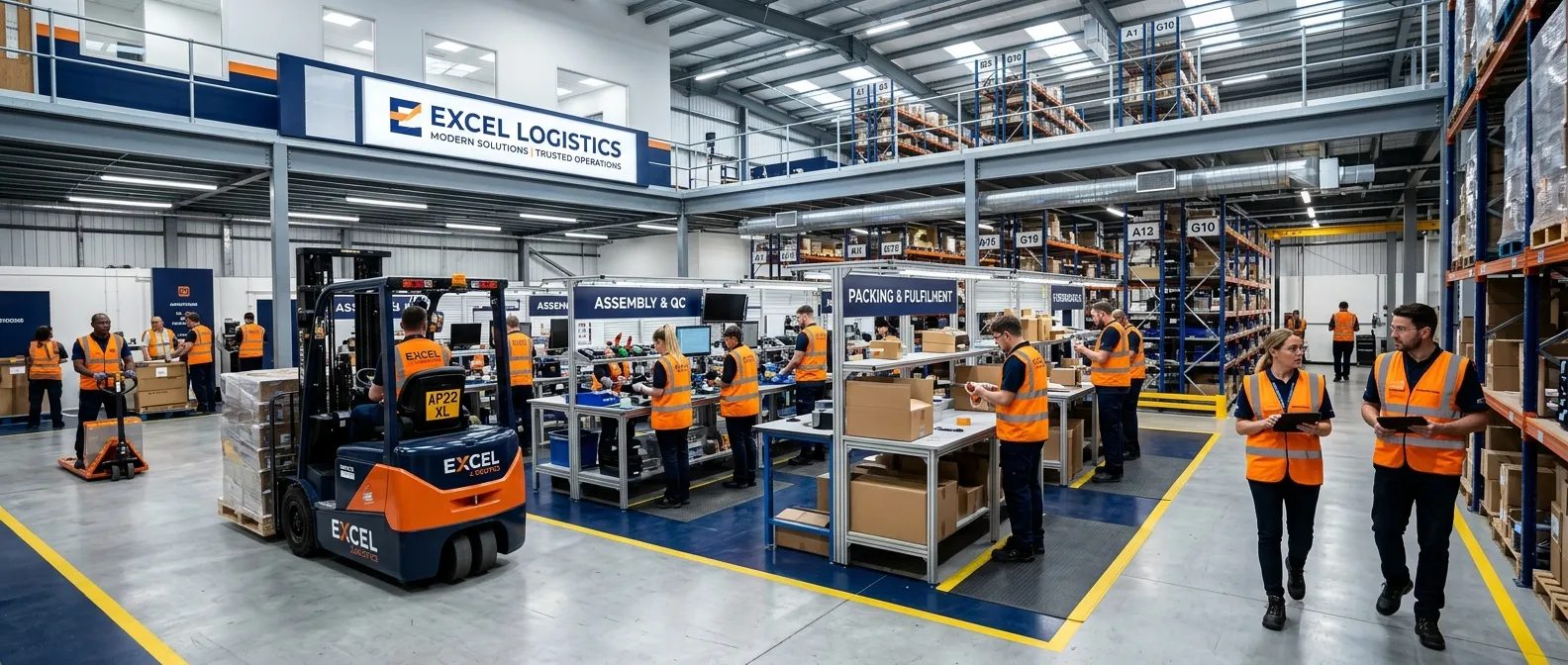
SEO Title: Light Industrial Staffing Services: Hire Reliable Production, Warehouse, and Assembly Workers Fast
SEO Description: Discover flexible Light Industrial Staffing Services to recruit vetted warehouse operatives, assemblers, packers, machine operators, and logistics staff quickly. Compare temp-to-perm options, safety compliance, and workforce solutions for UK employers.
Why Light Industrial Staffing Services Matter
Light industrial staffing services help employers fill hands-on roles quickly without the delay of long permanent recruitment cycles. In manufacturing, distribution, packaging, and logistics, demand can shift overnight. A sudden order surge, seasonal campaign, supplier issue, or absence can create gaps that affect throughput, safety, and customer promises. Instead of advertising, screening, interviewing, and onboarding internally for weeks, businesses can access vetted temporary workers through a trusted staffing partner.
The best services understand shift patterns, machinery, quality expectations, and site culture. They screen for availability, right to work, safety awareness, and practical experience. They also support compliance, onboarding, and feedback. Done well, these services become a flexible extension of the workforce, helping teams maintain output while reducing hiring pressure.
About Light Industrial Staffing Services
Light industrial staffing services cover non-heavy-industry roles that support production, storage, packing, assembly, inspection, and movement of goods. Workers may operate pallet trucks, pack orders, assemble components, label products, unload deliveries, support quality checks, or keep lines moving. The common thread is operational impact: if these roles are vacant, throughput slows, errors increase, and customer promises are at risk. A staffing agency becomes valuable when it can respond quickly with people who can work safely and competently from day one.
Employers use these services for short-term cover, project-based increases, peak seasons, and permanent vacancies needing immediate attention. They also use them to test candidates before a direct hire. For jobseekers, temporary assignments can provide fast entry into stable industries, flexible hours, and a pathway to permanent roles. For employers, the model reduces recruitment admin and gives access to a pre-vetted talent pool. For broader support, explore our workforce solutions to align staffing with operational goals.
Pro Tip: Do not treat temporary staffing as a quick fix. The strongest results come from clear briefs, realistic shift expectations, and consistent supervision. When employers and agencies align on role details, temporary workers can become productive faster.
Interactive Multi-Category Overview
Light industrial staffing is not one-size-fits-all. Use the tabs below to compare the main categories where businesses commonly need rapid, reliable support. Each category has different screening priorities, shift demands, and compliance expectations.
Warehouse & Distribution Staffing
Warehouse and distribution staffing is often urgent. Employers need pickers, packers, loaders, unloaders, inventory clerks, and yard operatives who keep goods moving accurately. Speed matters, but reliability matters more. A late worker can affect deliveries, while an untrained operative can create safety risks. Good partners check availability, transport, right to work, and basic warehouse experience. The focus is on dependable people who can step into a site with minimal hand-holding.
Assembly & Manufacturing Staffing
Assembly and manufacturing roles require detail, line awareness, and the ability to follow standard operating procedures. Workers may build components, pack finished units, inspect for defects, or support machine operators. Agencies should ask about dexterity, tolerance for repetitive work, and previous experience on similar lines. Safety training and PPE awareness are also essential. In this category, quality is as important as speed, because poor matching can increase rework or slow production.
Production & Packing Staffing
Production and packing staffing supports food, beverage, cosmetics, pharmaceutical, and consumer goods operations where hygiene and consistency are central. Candidates may need awareness of allergens, food safety, cleanroom rules, or temperature-controlled environments. Agencies should screen for shift flexibility, personal hygiene habits, and ability to follow strict processes. During peak seasons, employers often need extra hands quickly. The best partners maintain a bench of pre-screened operatives who can step in without compromising quality.
Quality & Safety Support Staffing
Quality support roles include inspection, testing, documentation, and line monitoring. These workers protect brand reputation by catching defects before goods leave the facility. Staffing services in this area require attention to accuracy, record-keeping, and communication. Employers benefit when agencies understand quality standards and identify candidates who are methodical rather than simply fast. Safety support may also include site helpers, housekeeping, or compliance assistants. Clear briefs and realistic shift planning are vital.
Logistics & Yard Staffing
Logistics and yard staffing covers drivers, van operatives, goods-in handlers, and dispatch support. These roles often sit between warehouse work and transport, requiring punctuality, route awareness, and safe handling. For time-sensitive deliveries, a missing operative can create a chain reaction. Agencies should check driving licences, vehicle experience, and ability to work early or late shifts. Strong communication between the staffing partner, supervisor, and transport planner helps prevent disruption.
Key Benefits of Light Industrial Staffing Services
Faster Hiring
Light industrial staffing services reduce time-to-hire by matching employers with pre-vetted candidates already available for shifts. Instead of posting an advert and waiting days, businesses access a ready talent pool. This helps when a vacancy appears overnight or a delivery surge begins. Faster hiring protects production schedules, service levels, and team morale.
Flexible Workforce Scaling
Demand rarely stays flat. A seasonal campaign, new contract, or sudden absence can create immediate pressure. Staffing services allow businesses to scale up when needed and scale down when demand normalises. This supports workforce planning without permanent headcount during uncertain periods. It also helps managers test whether extra labour is needed long-term.
Stronger Screening
Good agencies do more than collect CVs. They verify identity, right to work, availability, and relevant experience. They may also assess practical suitability through interviews, reference checks, or site briefings. This reduces the risk of hiring someone who cannot meet shift, safety, or quality expectations. Strong screening means fewer wasted shifts and less disruption.
Compliance Support
Light industrial environments carry health and safety responsibilities. Staffing partners help manage induction, PPE, training records, and working-time rules. They also support clear communication about hazards and shift expectations. Compliance protects workers, supervisors, and the business. A reliable agency helps ensure temporary staff understand the rules before they step onto the site.
Reduced Administrative Burden
Recruitment admin can consume hours: adverts, screening, interviews, references, and onboarding. Staffing services absorb much of this workload. The agency manages candidate sourcing, vetting, and often payroll or worker administration. This frees managers to focus on production, safety, and customer outcomes. For small teams, the time saved can be as valuable as the labour itself.
Pathway to Permanent Hires
Temporary assignments can act as extended interviews. Employers observe performance, reliability, and cultural fit before making a permanent offer. This reduces hiring risk and improves retention. For candidates, agency work can provide experience, references, and a route into a stable role. Managed well, temp-to-perm becomes a practical talent acquisition strategy.
Where Light Industrial Staffing Services Fit Best
Light industrial staffing services fit best where speed, reliability, and operational consistency matter. A manufacturer may need extra hands for a two-week promotional order. A distribution centre may need weekend cover during a stock audit. A packing facility may need to replace a team member who has resigned. In each case, the business needs someone who can work safely, follow instructions, and contribute quickly. Specialist agencies outperform general recruitment because they understand shift patterns, production pressures, and attendance. To learn more about smarter screening, see our guide to candidate screening strategies for 2026.
Common Roles Employers Fill
Common roles include warehouse operatives, pickers, packers, loaders, unloaders, production assistants, assembly operators, quality inspectors, machine minders, stock controllers, and goods-in handlers. Some require licences or equipment experience, such as forklift or pallet truck operation. Others depend on manual dexterity, attention to detail, or ability to work in temperature-controlled environments. Employers should describe shift length, dress code, PPE, productivity expectations, and supervision style. Agencies that receive detailed briefs can match candidates more accurately and reduce early dropouts.
For roles tied to logistics and storage, our warehouse staffing services page can help employers compare options.
How a Professional Staffing Process Works
- Define the role, shift pattern, start date, and safety expectations.
- Source candidates and screen for availability and suitability.
- Present a shortlist or approved worker list.
- Support onboarding, right-to-work checks, and site induction.
- Monitor performance and address issues quickly.
- Review whether the assignment should continue, convert, or close.
Compliance, Safety, and Risk Management
Compliance is central to light industrial staffing. Temporary workers must be legally entitled to work, understand site safety rules, and receive appropriate induction. Employers and agencies share responsibilities, so clear contracts and communication matter. PPE, manual handling, machine awareness, and emergency procedures should be addressed before the first shift. Good staffing partners also keep records of training, right to work, and restrictions. This protects the workforce and reduces operational risk.
Expert Insight: When agencies and sites align on expectations, temporary staff can integrate quickly without compromising standards. The strongest partnerships combine clear documentation with practical supervision.
Cost and Return on Investment
Many employers ask whether staffing services are more expensive than direct hiring. The answer depends on urgency, volume, and hidden recruitment costs. Agency rates include sourcing, screening, compliance support, and often payroll administration. While hourly cost may be higher, the value can be strong when a vacancy threatens output. Fast cover can prevent lost orders, overtime burnout, and customer dissatisfaction. Businesses should compare the cost of delay with the cost of flexible labour. Review our staff augmentation solutions for modern workforce scaling.
Temp-to-Perm Hiring
Temp-to-perm is one of the most practical uses of light industrial staffing services. It lets employers assess a worker in a real production environment before making a permanent offer. This is more reliable than judging a candidate from an interview alone. Agencies can support the conversion process by handling temporary payroll, feedback, and transition steps. For workers, it can provide a clear route to stable employment after proving reliability. For employers, it reduces hiring risk and improves retention.
Seasonal and Surge Demand
Seasonal demand is a common trigger for staffing support. Retail distribution, food manufacturing, and e-commerce fulfilment often face predictable peaks, while promotions and supply chain disruptions can create unexpected surges. Planning ahead is key. Employers who build relationships with a staffing partner can secure candidates faster when demand rises. Agencies that understand seasonal patterns can maintain a bench of pre-screened workers, reducing panic hiring at the last minute. This protects service levels and helps permanent teams avoid excessive overtime.
Technology and Candidate Screening
Modern staffing services use technology to improve matching. Applicant tracking systems, digital right-to-work checks, and skills assessments can speed screening. However, technology should not replace human judgement. The best agencies combine data with practical conversations about reliability, motivation, and site fit. They ask candidates about transport, shift tolerance, previous experience, and safety awareness. This blend leads to better matches. For employers, that means fewer no-shows, less rework, and a stronger pipeline. To find top talent faster, explore our UK staffing solutions.
Employer Checklist Before Hiring
- Confirm the job title, shift pattern, start date, and expected duration.
- State required experience, licences, PPE, and safety expectations.
- Describe supervision style and productivity standards.
- Ask the agency about screening, attendance, and escalation processes.
- Decide whether you need temporary cover, temp-to-perm, or seasonal support.
Frequently Asked Questions About Light Industrial Staffing Services
Light industrial staffing services are recruitment solutions that provide temporary or contract workers for manufacturing, warehousing, packing, assembly, quality, and logistics roles. The aim is to fill operational gaps quickly while maintaining safety, reliability, and productivity. They are especially useful when businesses face fluctuating demand, urgent vacancies, or seasonal peaks that cannot wait for a long permanent recruitment process.
Start times vary depending on role complexity, location, and candidate availability. Many assignments can begin within days if suitable workers are already registered with the agency. Urgent roles may be filled faster when the staffing partner has pre-screened candidates with relevant experience, confirmed right to work, and flexible availability. Clear site briefs and fast employer feedback also help reduce delays.
Yes, when the agency screens properly. Reliability depends on shift tolerance, transport, previous attendance, and clear expectations. Strong agencies check these factors and monitor performance during assignments. Employers also improve reliability by providing a clear site brief, consistent supervision, and realistic shift patterns. Temporary workers often perform well when they understand exactly what is expected from day one.
Costs usually include an hourly rate covering sourcing, screening, compliance support, and payroll administration. The rate may be higher than direct wages, but it can reduce hidden costs such as vacancy loss, overtime, recruitment admin, and poor hires. Employers should compare the cost of flexible labour against the operational risk of being short-staffed. For many light industrial businesses, fast and reliable cover delivers strong value.
Yes. Temp-to-perm is a common pathway in light industrial staffing. It lets employers assess performance, safety awareness, and team fit before offering a permanent position. This can improve retention and reduce hiring risk. Agencies can support conversion by managing feedback, transition steps, and compliance documentation. For many employers, it is a practical way to test a role before committing to permanent headcount.
Employers should work with agencies that verify right to work, maintain training records, and support site inductions. Contracts should clarify responsibilities for safety, PPE, working time, and supervision. Regular communication and documented onboarding reduce risk and improve audit readiness. When both sides take compliance seriously, temporary staffing becomes safer, smoother, and more scalable for the business.
Ready to Hire Light Industrial Staff Today?
If your warehouse, production line, packing facility, or distribution operation needs reliable temporary workers fast, the right staffing partner can make a measurable difference. Light industrial staffing services help you reduce hiring delays, strengthen compliance, and scale your workforce with confidence. Whether you need short-term cover, seasonal surge support, or a temp-to-perm pathway, start by telling us what you need.
Submit your role details and let a specialist staffing partner help you find dependable production, warehouse, and assembly workers quickly.